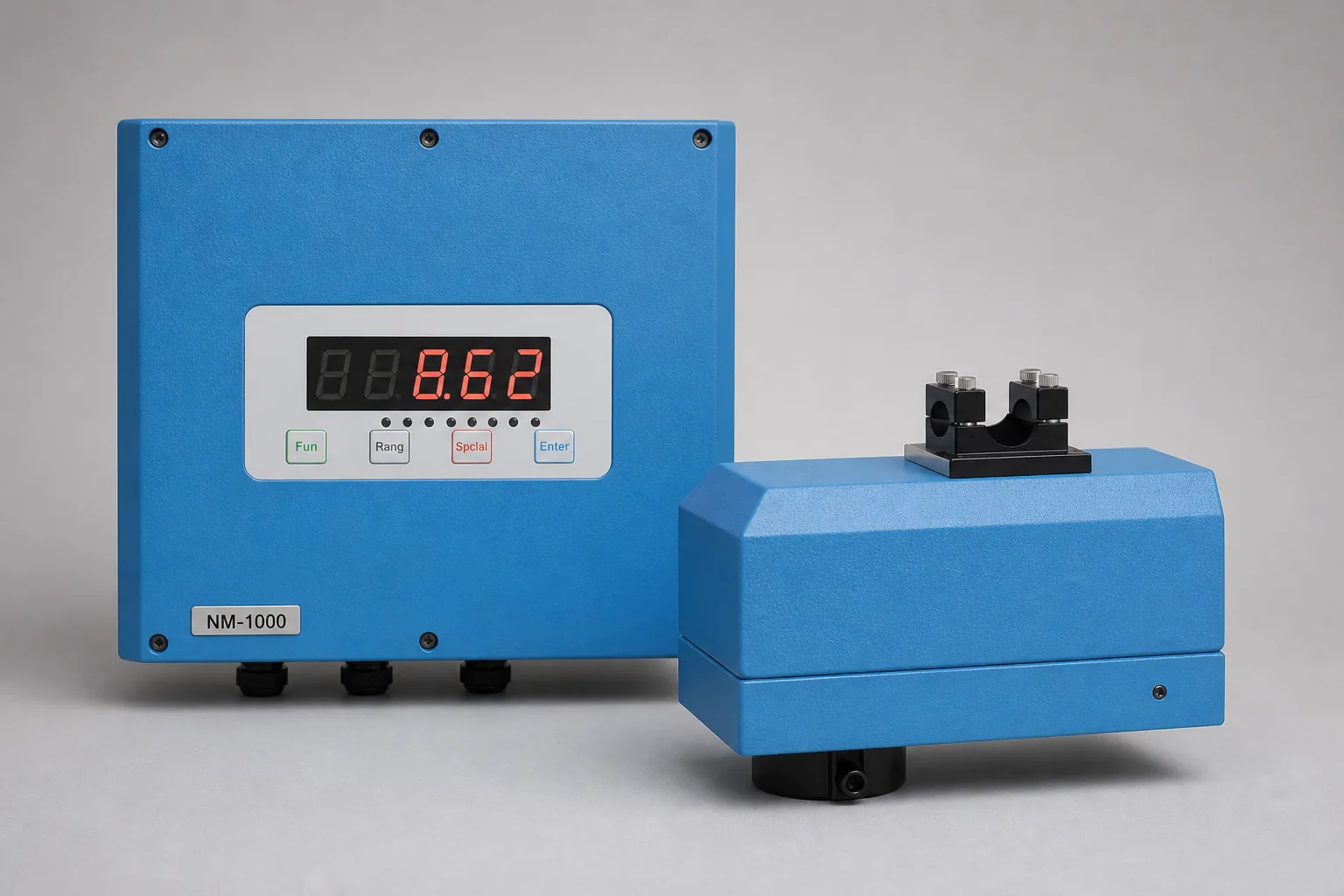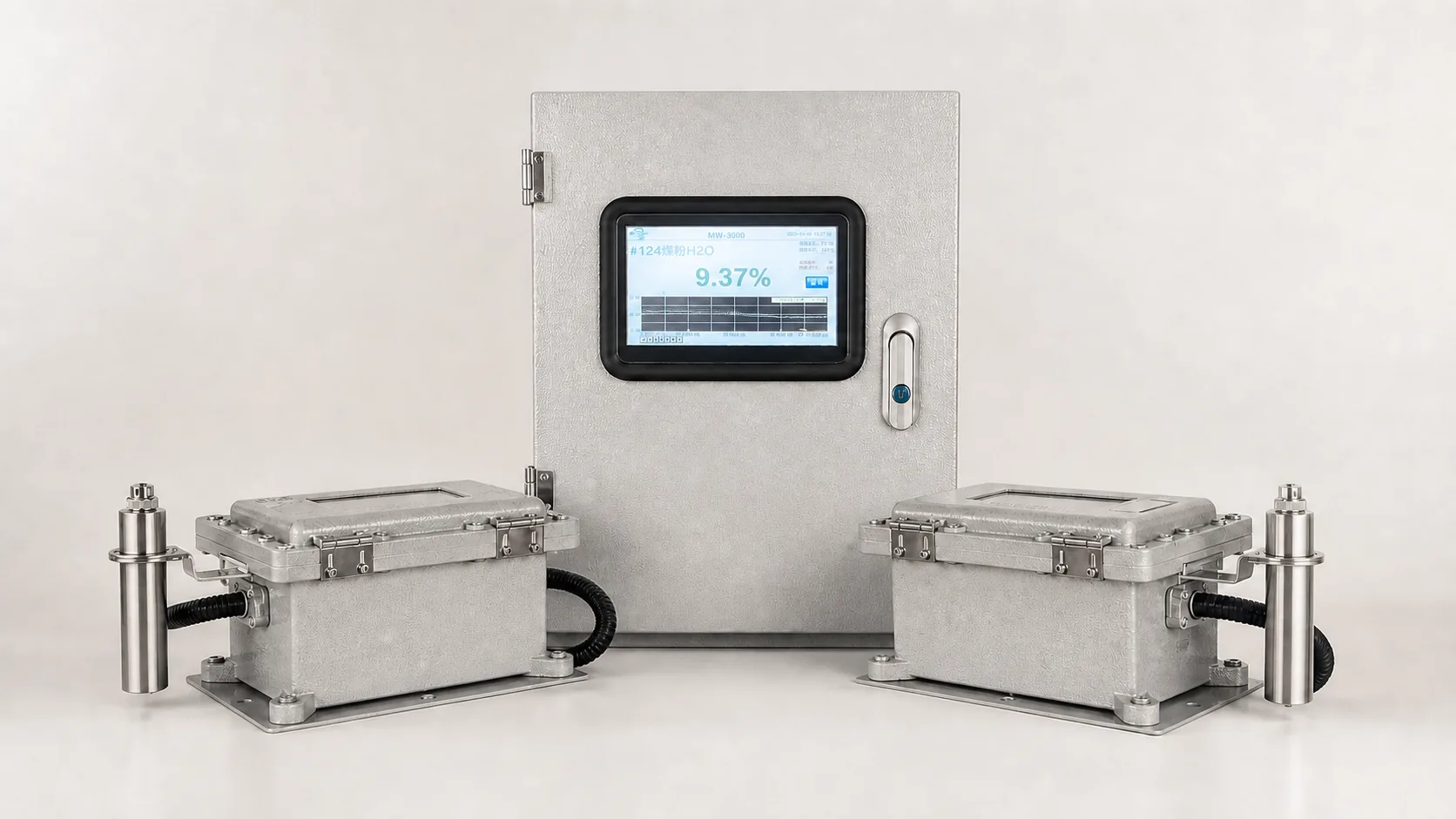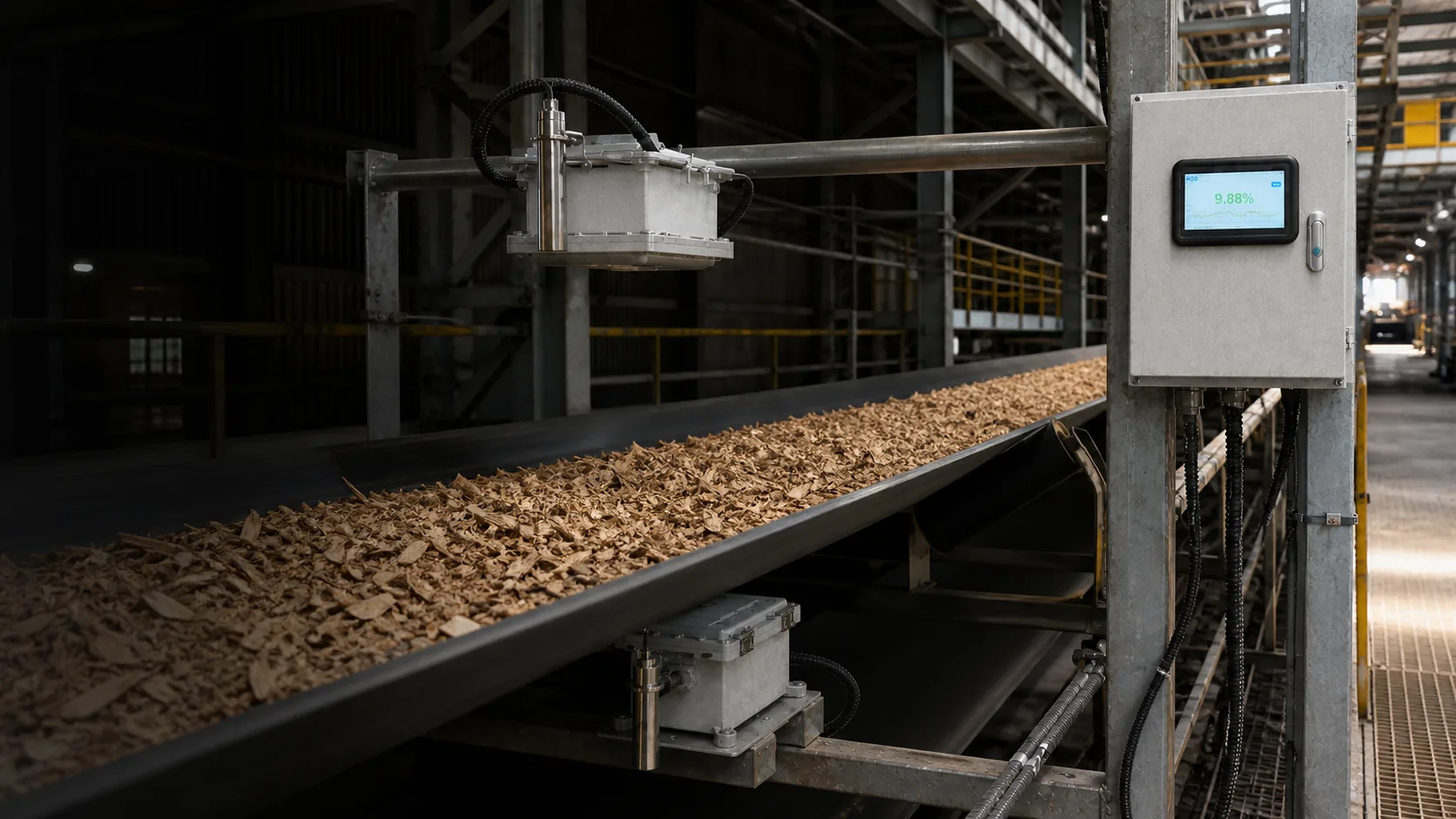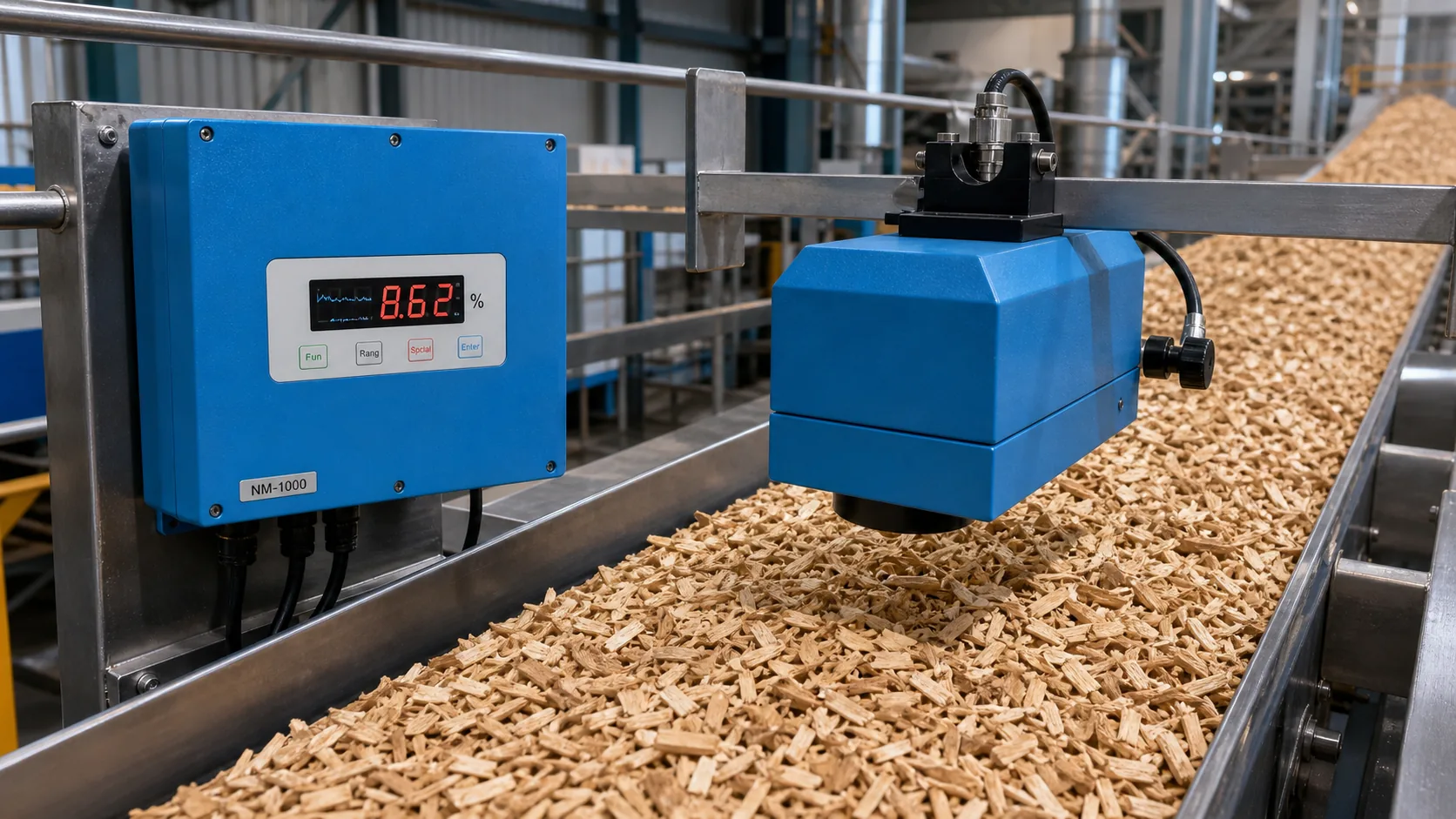
Performance depends on the material, reference method, operating range and installed configuration described in the project.
Practical reference
The denominator changes the result
| Item | Wet basis | Dry basis |
|---|---|---|
| Calculation | Water mass ÷ wet sample mass × 100 | Water mass ÷ dry-solids mass × 100 |
| Typical range | Normally 0% to below 100% | Can exceed 100% when water mass exceeds dry-solids mass |
| Common use | Many production, food, grain and commercial specifications | Drying science, pulp, wood, soil and some process calculations |
| Critical rule | Label the result as wet basis | Label the result as dry basis |
The denominator is different
For a sample with water mass W and dry-solids mass D, wet-basis moisture is W divided by W plus D. Dry-basis moisture is W divided by D. The numbers are not interchangeable even though both use a percent sign.
Conversion is mathematical, but the method still matters
Dry basis can be converted to wet basis as DB divided by 100 plus DB, multiplied by 100. Wet basis can be converted to dry basis as WB divided by 100 minus WB, multiplied by 100. Conversion does not correct sampling or laboratory-method differences.
Name the basis in every data path
The laboratory report, online display, PLC register, trend, alarm, recipe and customer specification must use the same basis. An unnoticed mismatch can look like calibration drift and lead to incorrect control action.
Confirm the applicable reference method
Different materials use different preparation, drying and calculation rules. Confirm the current standard, contract or competent laboratory method before building the calibration dataset.
Worked conversion example
A 20 kg wet sample that contains 4 kg of water has 16 kg of dry solids. Wet-basis moisture is 4 ÷ 20 × 100 = 20%; dry-basis moisture is 4 ÷ 16 × 100 = 25%. Both are mathematically correct, so the laboratory report, online value and decision limit must all carry the same basis label.
Before you act
Engineering checklist
- Label every value WB or DB
- Confirm the laboratory calculation
- Check PLC and HMI engineering units
- Convert historical data before combining it
- Use one basis for limits and acceptance
- Record the applicable reference method