Industries and materials

Moisture control across materials and production stages

Explore measurement solutions for construction materials, paper, biomass, wood, minerals, agriculture, food ingredients and industrial powders.

Moisture control across materials and production stages

Construction materials
01

Construction materials

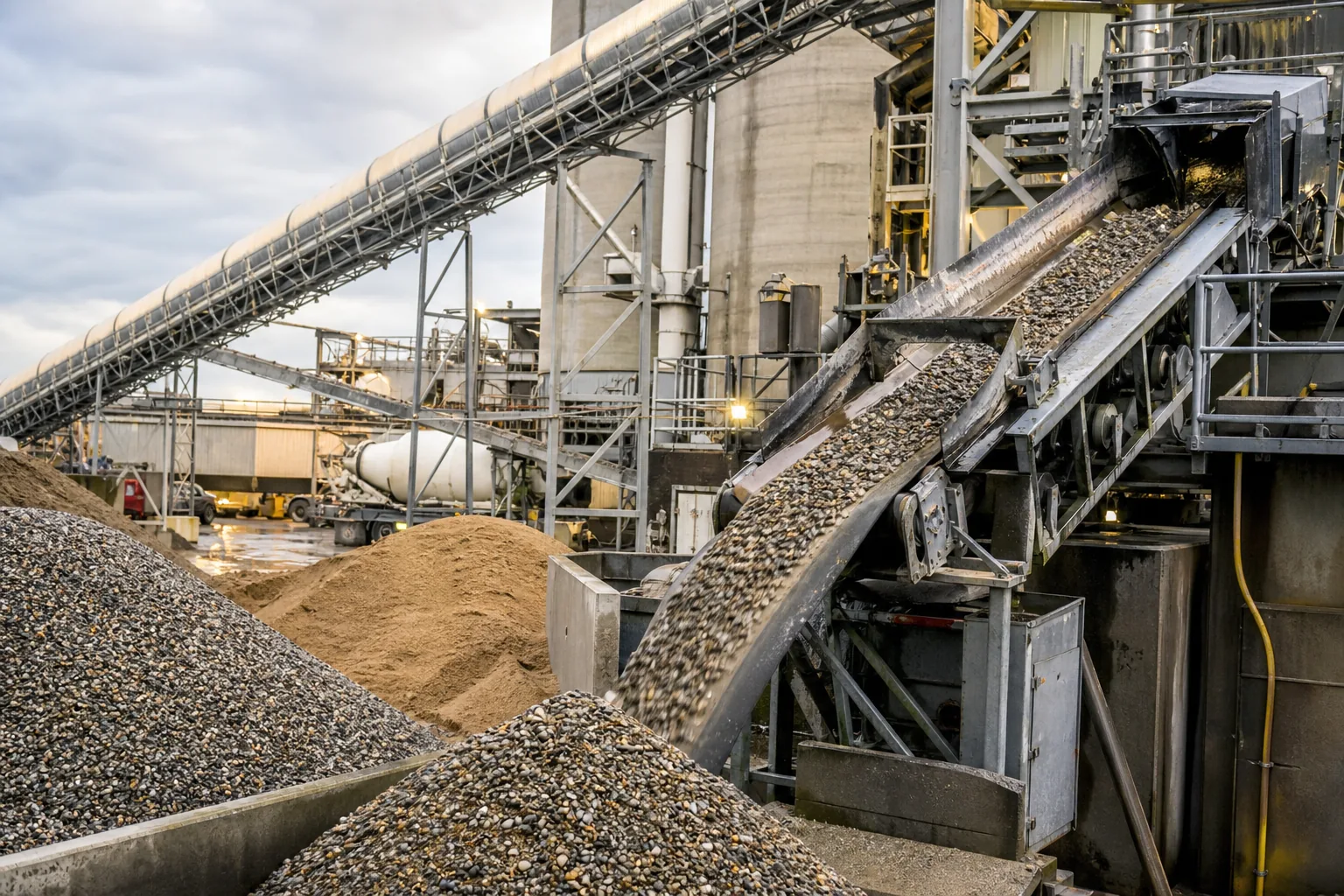
Control moisture variation in aggregates, sand and dry mixes—from batching through forming.

  • Concrete & aggregates
  • Sand & gravel
  • Cement & raw materials
  • Dry mortar & gypsum
Typical decision path

Aggregate receiving and belt transfer

Moisture risk
Rain, drainage and stockpile segregation change the free water entering the recipe.
Measurement point
A stable, fully covered belt section before the bin or mixer, with timed reference sampling.
Control action
Correct the aggregate water contribution, segregate abnormal loads or hold invalid data.
Explore the route
Paper and circular resources
02

Paper and circular resources

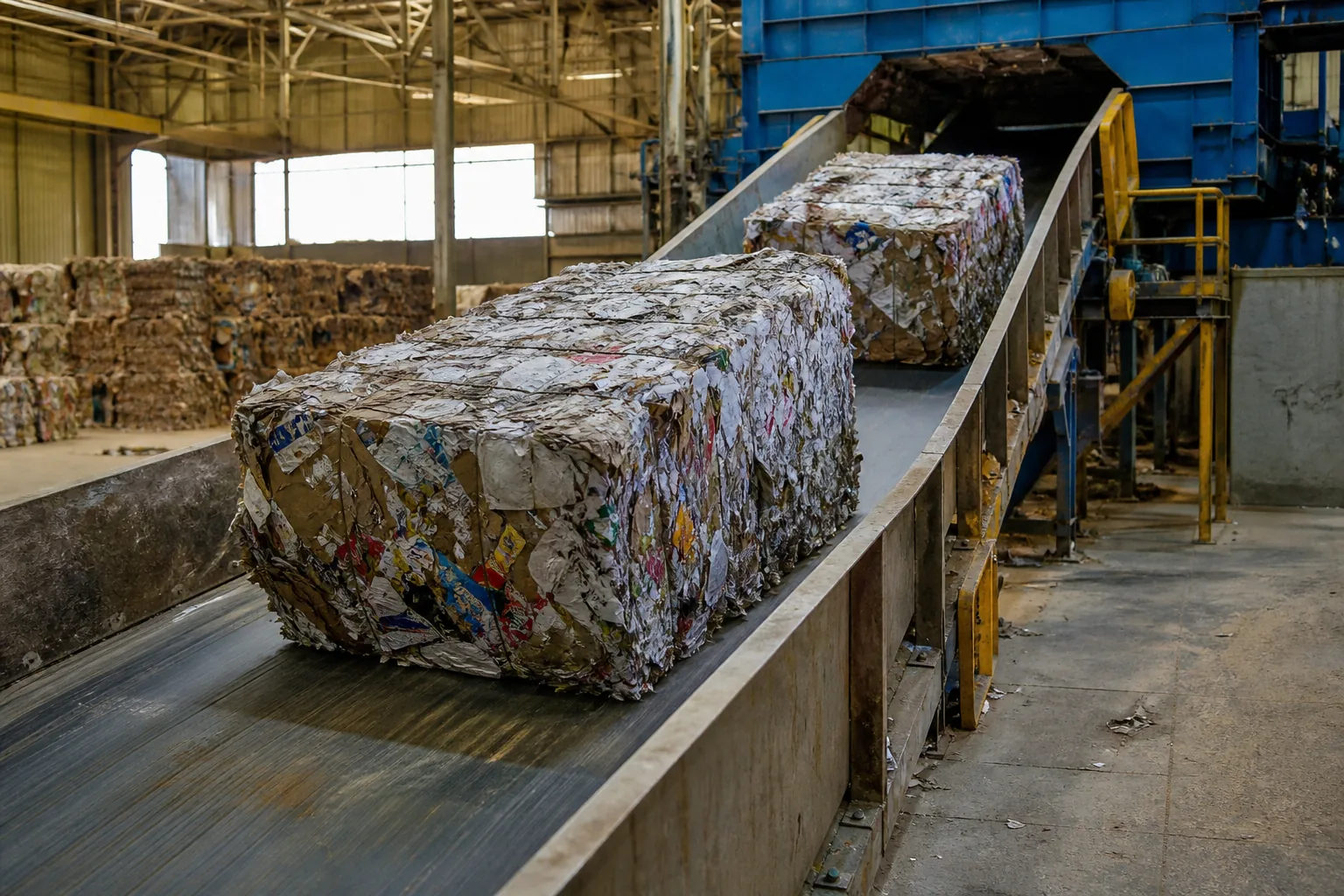
Catch abnormal moisture in recovered paper, pulp and recycled fibre before it disrupts quality or settlement.

  • Recovered paper bales
  • Pulp & paper
  • Corrugated cardboard
  • Recycled fibre
Typical decision path

Recovered-paper bale receiving

Moisture risk
Rain-wet surfaces and hidden wet pockets can distort acceptance and payable dry mass.
Measurement point
A documented multi-face or scan-path plan tied to bale identity, with dispute sampling.
Control action
Accept, hold or escalate a bale under written uncertainty and exception rules.
Explore the route
Biomass and bioenergy
03

Biomass and bioenergy

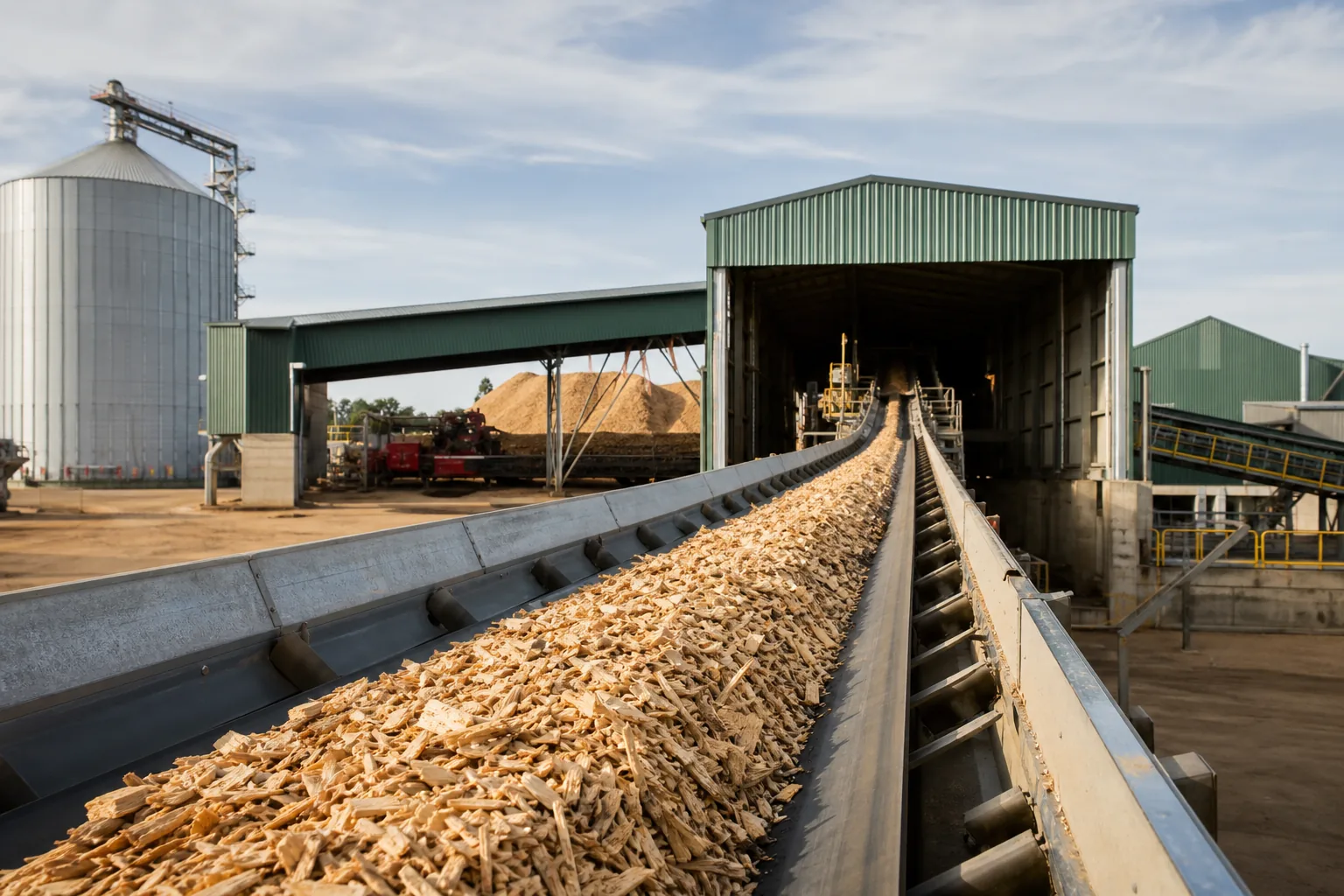
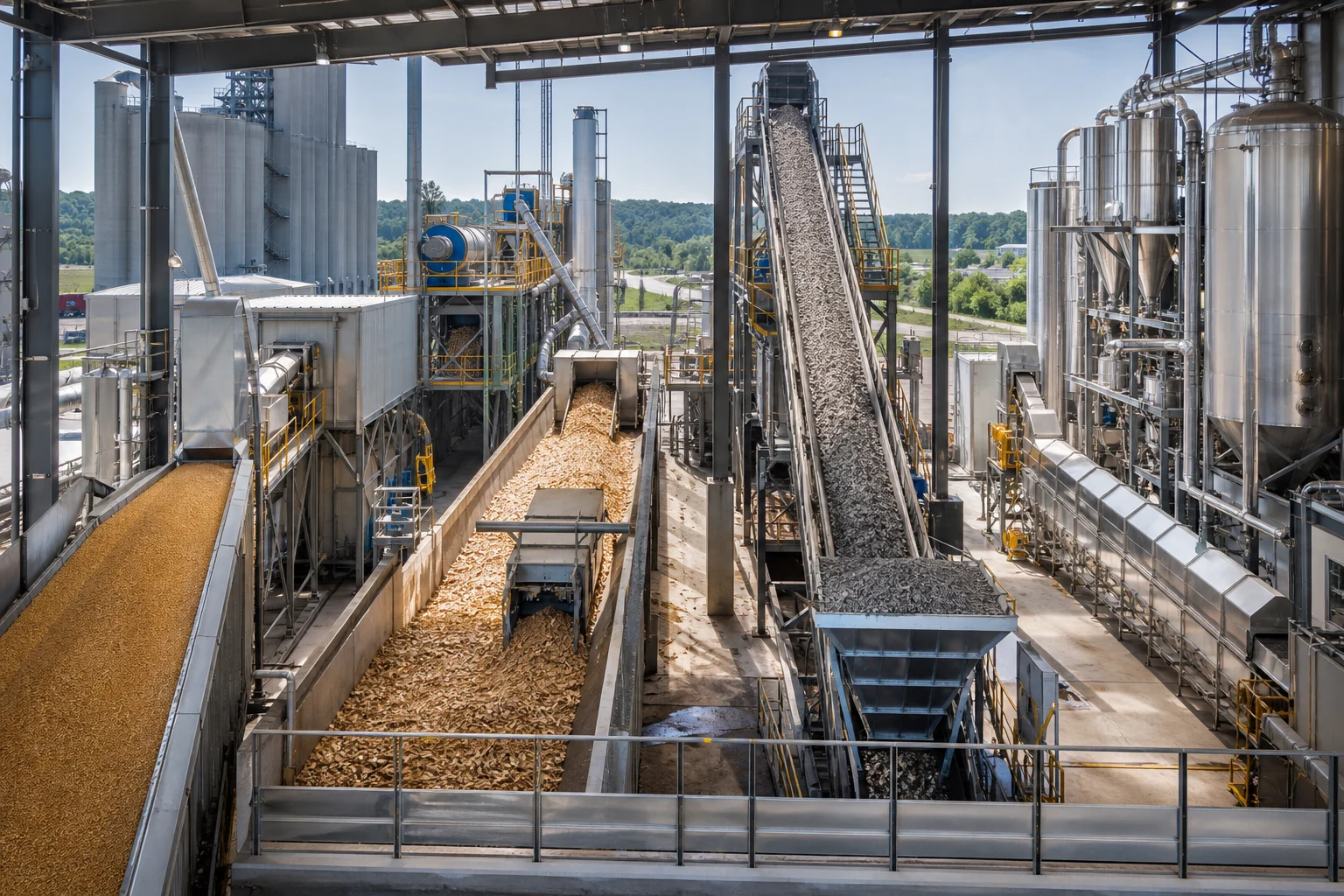
Keep chips, sawdust and pellets stable before storage, transport and energy conversion.

  • Wood chips
  • Sawdust
  • Biomass pellets
  • Straw and residues
Typical decision path

Truck or conveyor receiving

Moisture risk
Source, particle size, rain and frozen material create non-uniform incoming moisture.
Measurement point
Planned vehicle sections or a stable covered conveyor before the storage-routing decision.
Control action
Route material to storage, drying, inspection or faster use according to site rules.
Explore the route
Wood and engineered panels
04

Wood and engineered panels

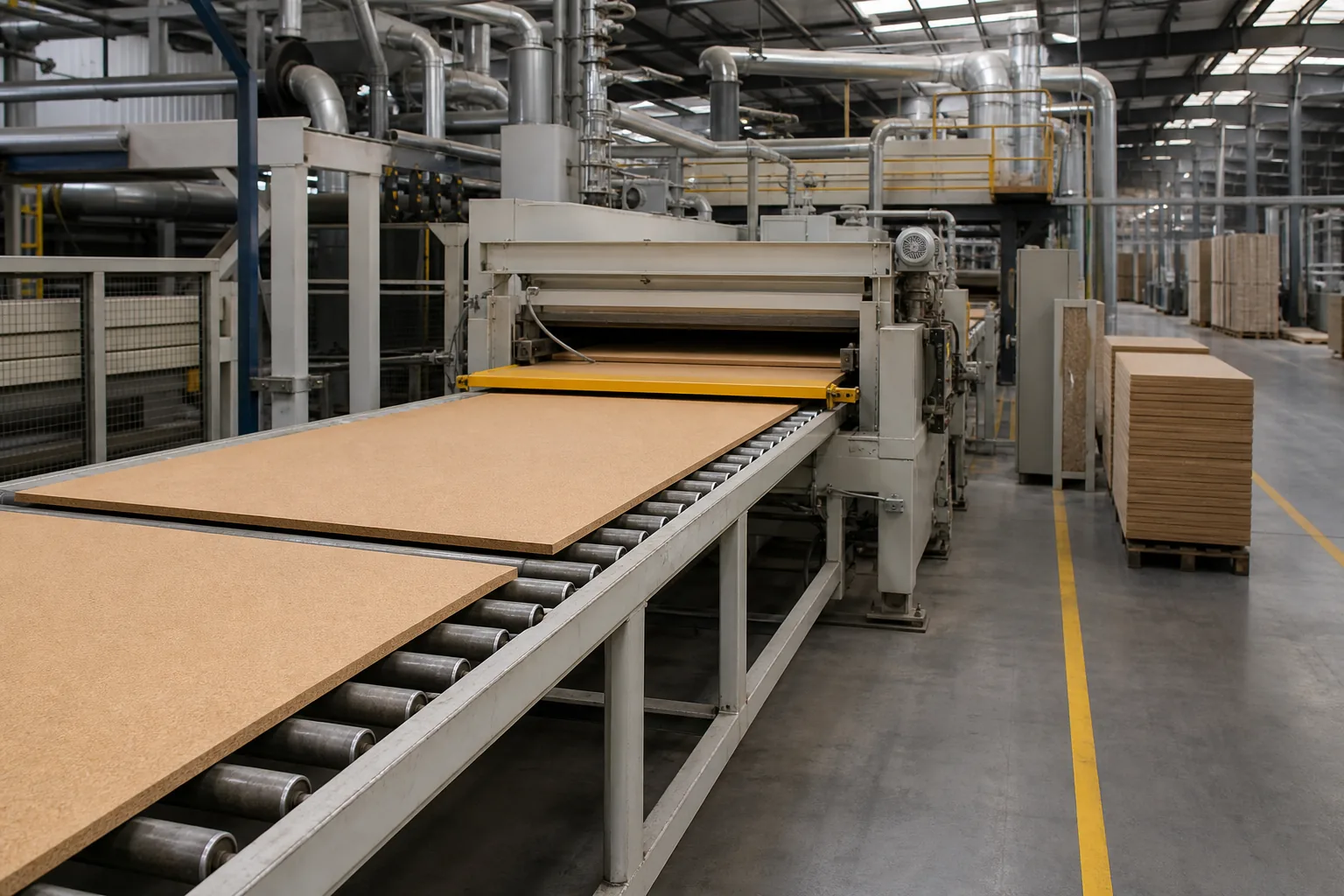
Control critical moisture points across veneer, MDF, OSB and particleboard production.

  • Lumber & timber
  • Veneer & plywood
  • MDF
  • OSB
Typical decision path

Furnish before the dryer

Moisture risk
Species, bark, geometry and density changes can mask the moisture load entering drying.
Measurement point
A mixed, consistently covered belt or chute before the dryer, with safe paired sampling.
Control action
Set drying or material-routing action by furnish group and block values outside the validated range.
Explore the route
Mining and bulk minerals
05

Mining and bulk minerals

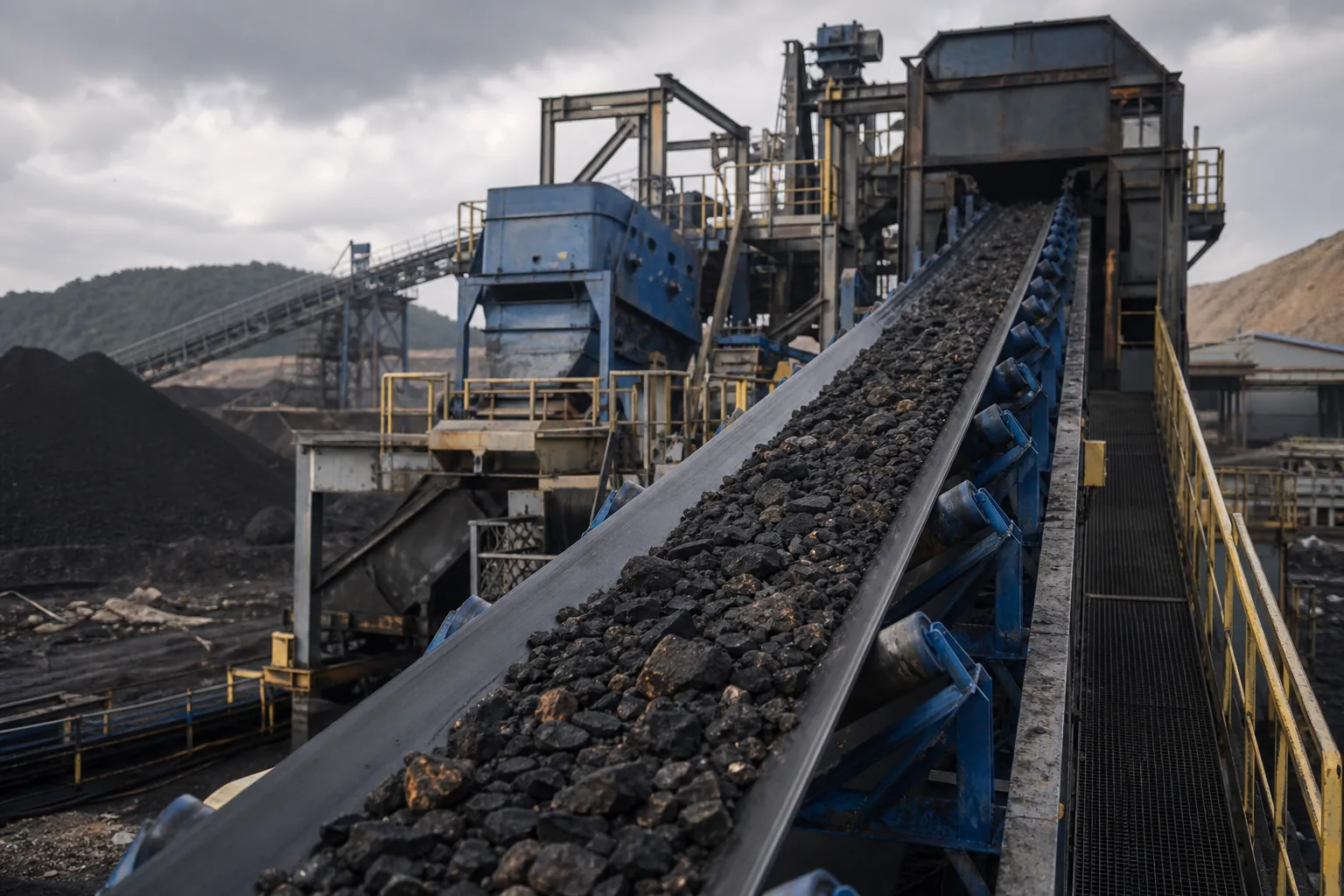
Monitor coal, ore and bulk minerals for process control, stock management and commercial settlement.

  • Coal & coke
  • Ores & concentrates
  • Sinter & pellets
  • Limestone
Typical decision path

Vehicle receiving and stockpile routing

Moisture risk
Rain, crusting and particle segregation can bias a surface reading and payable dry mass.
Measurement point
Planned vehicle sections or a formed conveyor stream before the stockpile decision.
Control action
Accept, hold, segregate or start reference verification near commercial limits.
Explore the route
Agriculture and feed
06

Agriculture and feed

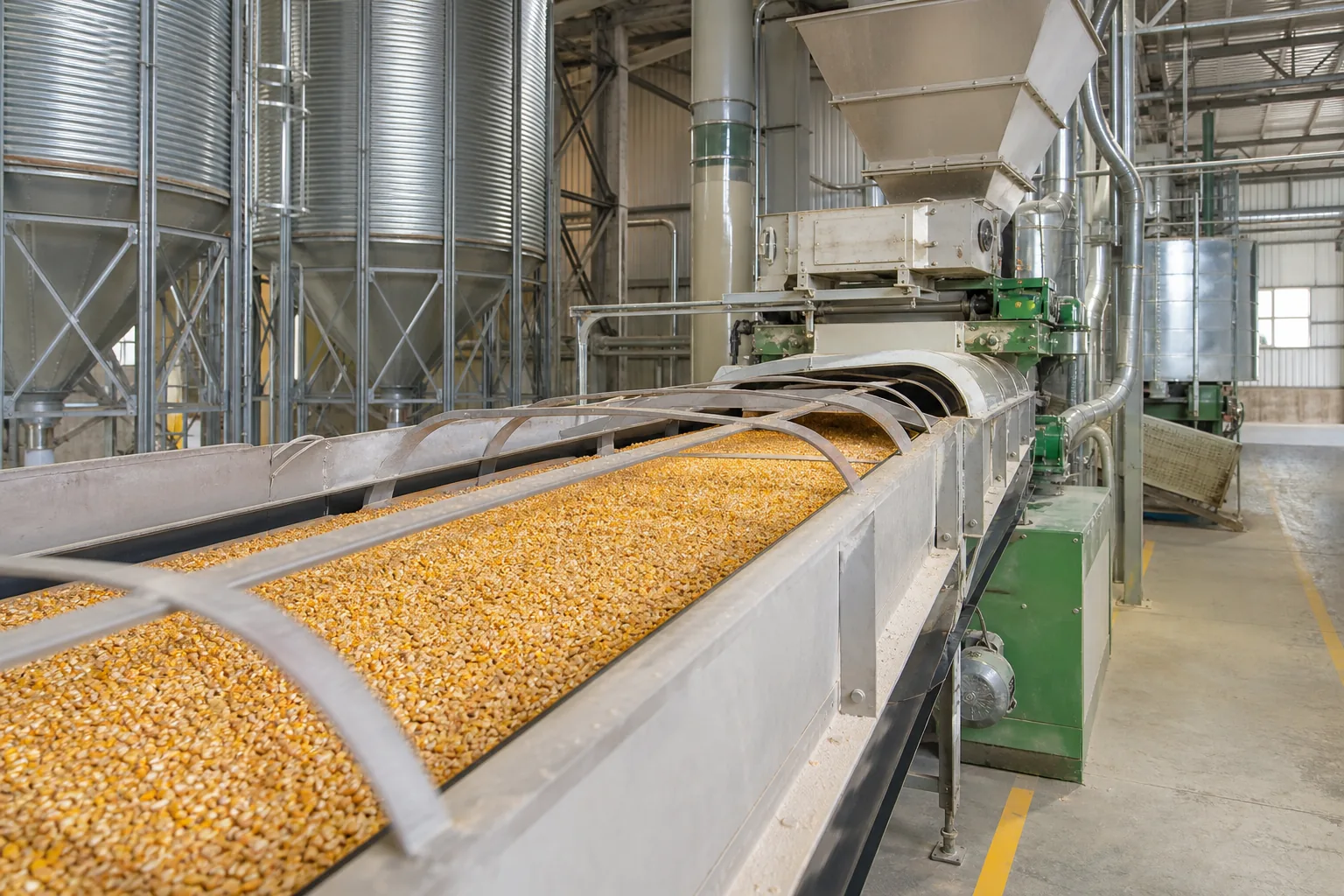
Know grain, corn and feed moisture at receiving, storage, processing and blending.

  • Grain & corn
  • Rice
  • Animal feed
  • Seeds
Typical decision path

Vehicle or intake receiving

Moisture risk
Variety, temperature, fines and load stratification affect storability and commercial acceptance.
Measurement point
A representative intake stream or planned multi-position load sample tied to supplier and lot.
Control action
Accept, dry, segregate or route the lot to the correct storage bin.
Explore the route
Food and processed ingredients
07

Food and processed ingredients

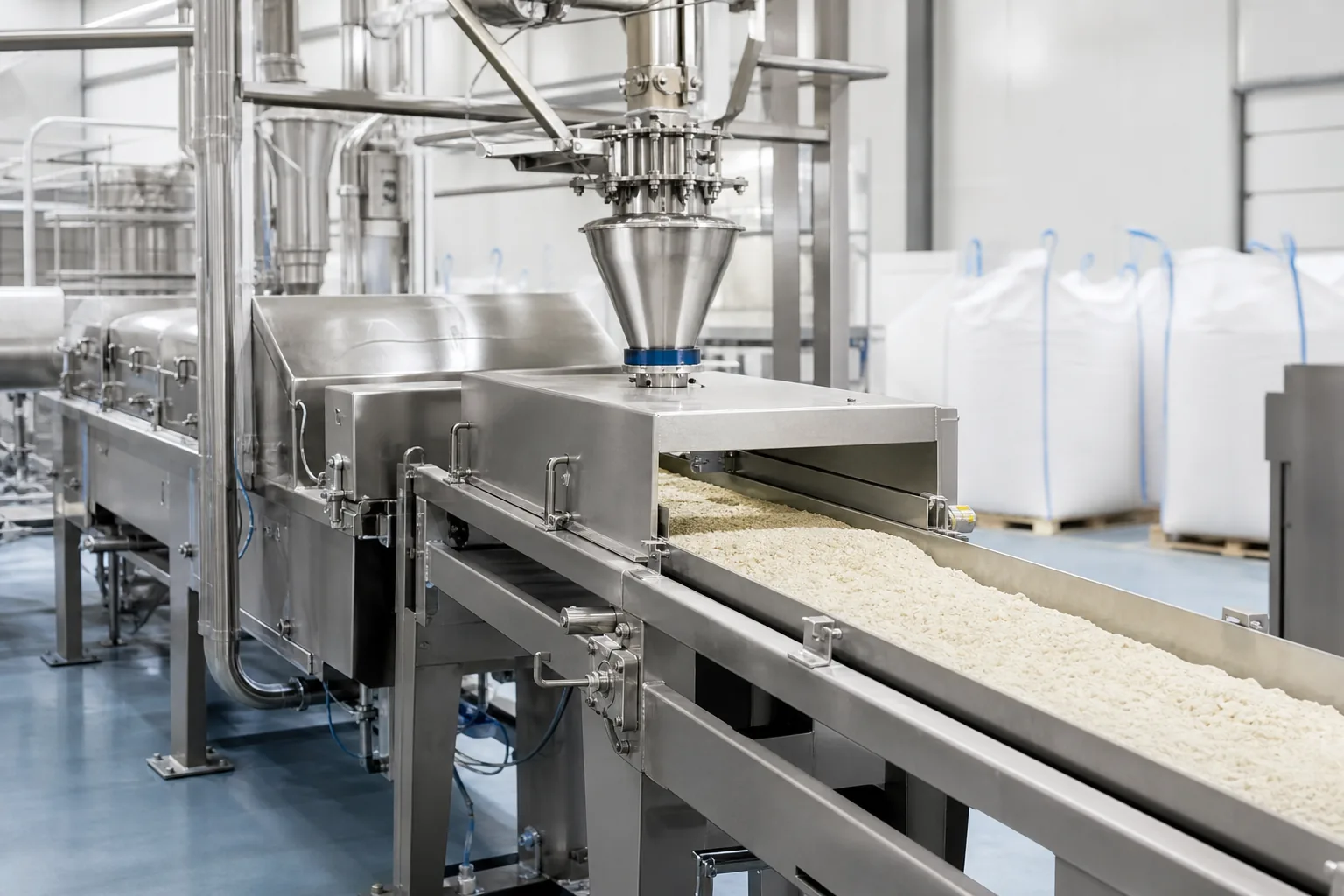
Build a continuous moisture window for flour, starch, sugar and other dry ingredients.

  • Flour & starch
  • Sugar
  • Coffee & cocoa
  • Dried ingredients
Typical decision path

Ingredient receiving

Moisture risk
Incoming grade, temperature and moisture variation affect flow, mixing and later drying demand.
Measurement point
A stable stream with safe paired sampling after receiving; product-contact and cleaning boundaries remain project-specific.
Control action
Hold, route or approve ingredients under product-specific limits and validity rules.
Explore the route
Chemicals and industrial powders
08

Chemicals and industrial powders

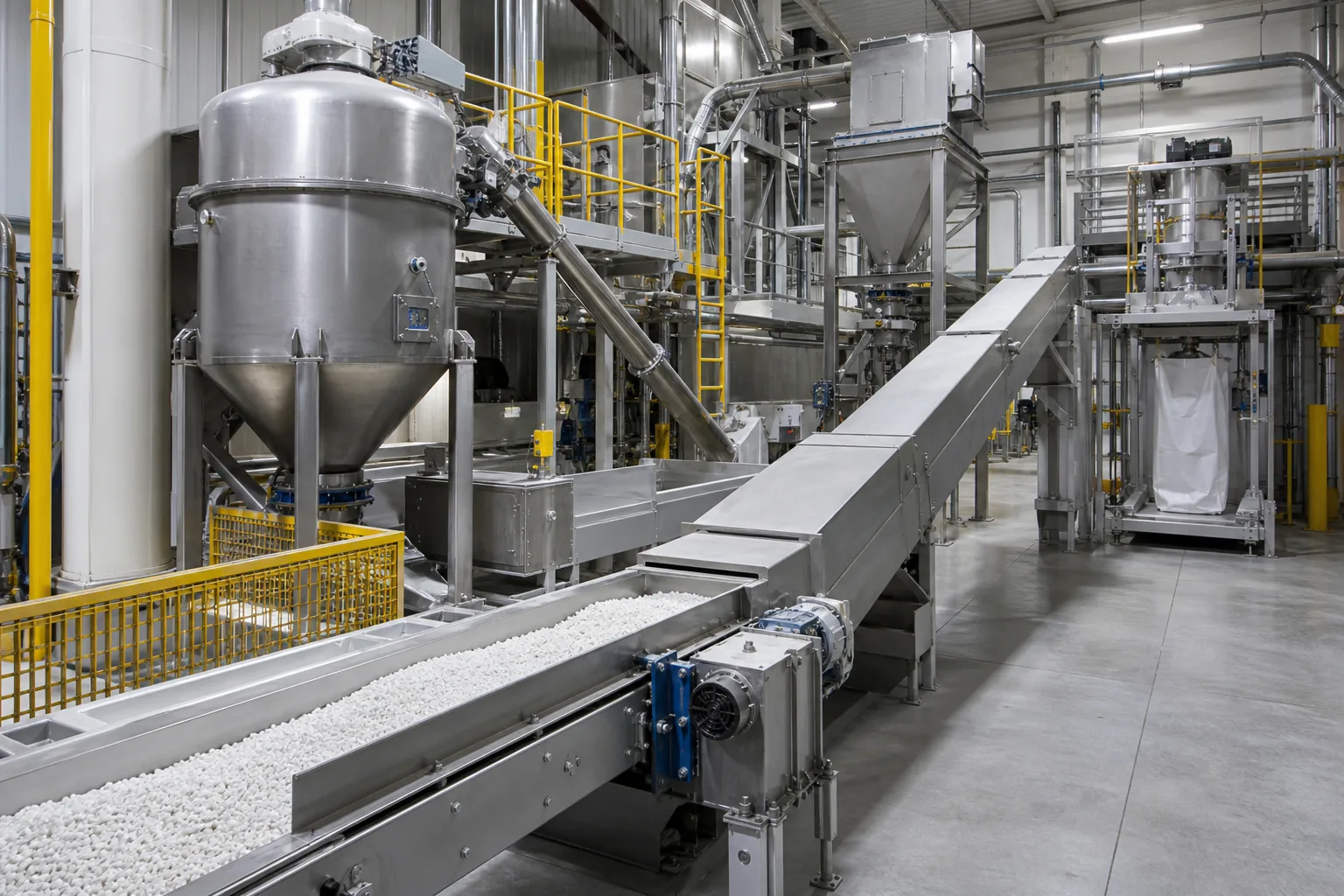
Reduce batch variation in fertiliser, salts, resin pellets and industrial powders.

  • Fertiliser
  • Salts
  • Detergent powders
  • Resin & plastic granules
Typical decision path

Powder and granule receiving

Moisture risk
Grade, density and moisture variation can drive caking, storage loss and inconsistent processing.
Measurement point
A stable conveyor or chute after receiving, with site safety and material compatibility verified separately.
Control action
Accept, segregate, dry or assign the material to the correct storage route.
Explore the route

Before the project starts

Find the right moisture measurement path for your process

Industry labels are only the start. Two plants in the same sector can require different measurement volumes because material form, process point and business decision differ. Follow the material through receiving, storage, drying, mixing and finished-product control before choosing a route.

01

Start with the material

Separate product families, suppliers, grades, particle sizes, densities, temperatures and seasonal conditions.

02

Find the decision point

Choose the point where a valid reading can change dosing, drying, blending, grading, settlement or release.

03

Plan the evidence

Match the online window to representative samples and keep the reference basis, range and exceptions explicit.

Project success factors

What makes a moisture project work

Share your material, moisture range and process conditions to receive a focused measurement recommendation.

  • A clearly defined material and process objective
  • A suitable sensor route and installation geometry
  • A representative reference method and calibration plan
  • Environmental and compliance requirements
  • Validation under real operating conditions

Tell us what you measure, where it moves and how the result will be used

Share a few process details and our application team will recommend a suitable technology, installation concept and validation plan.

Contact an engineer
WhatsApp