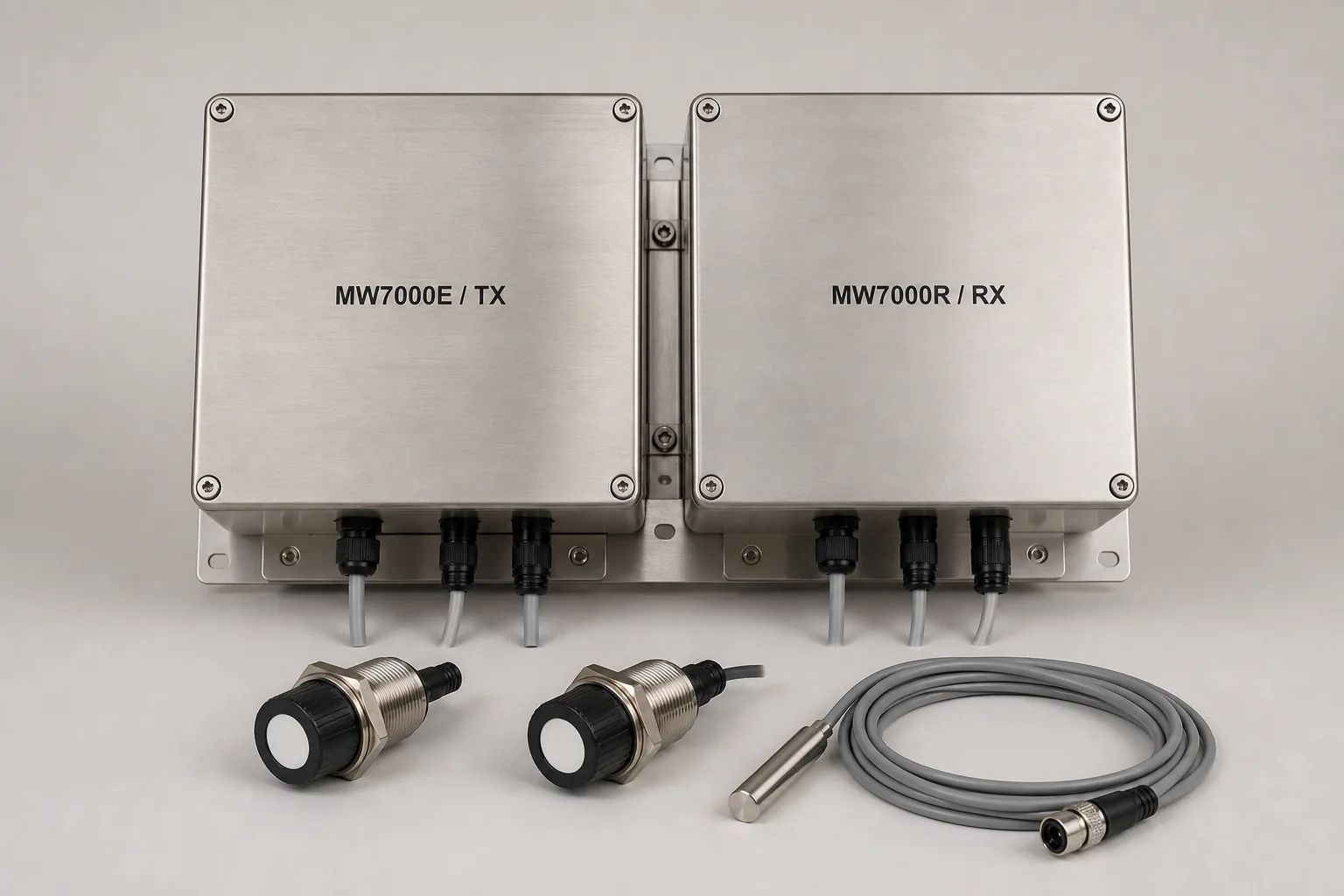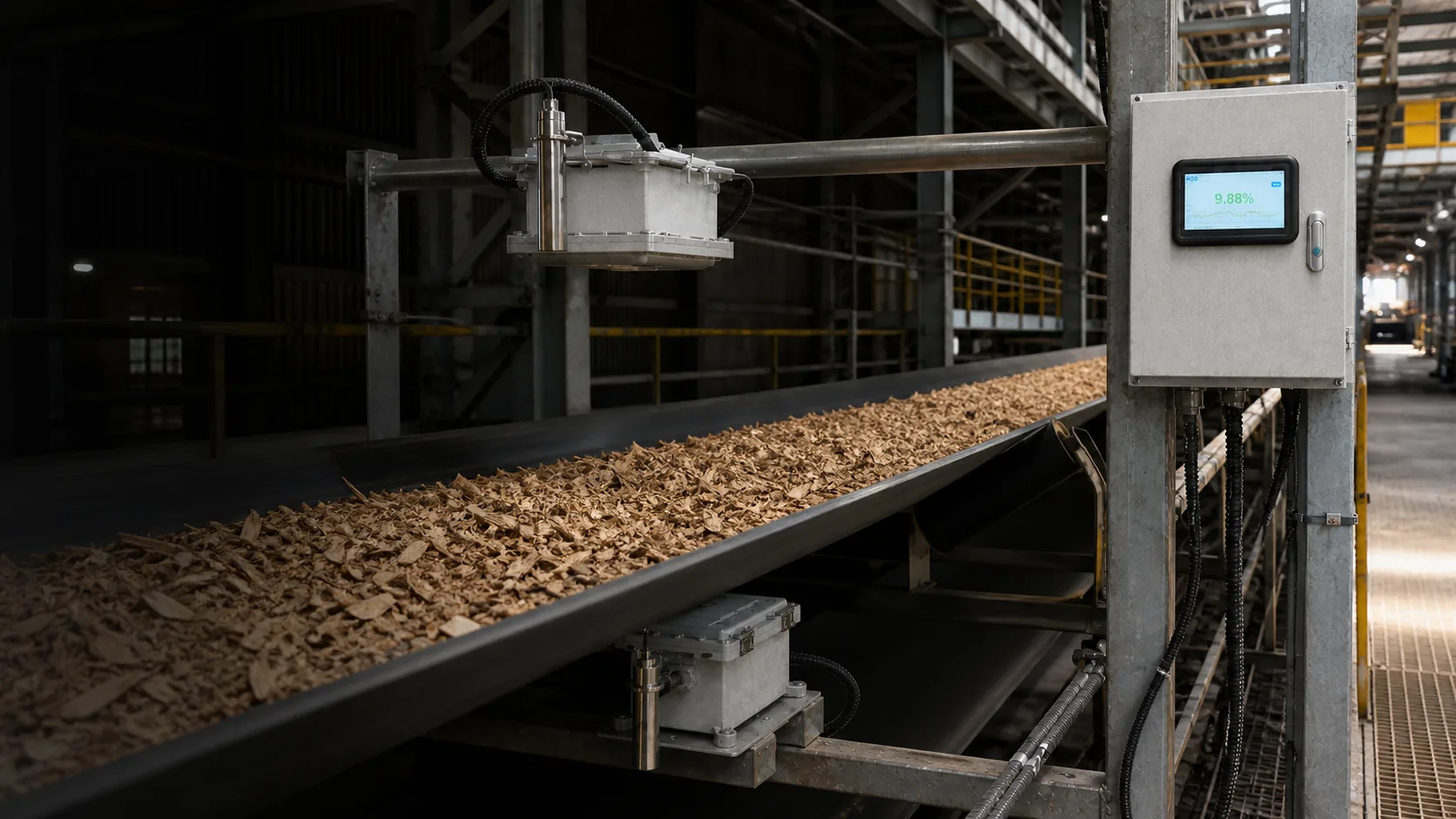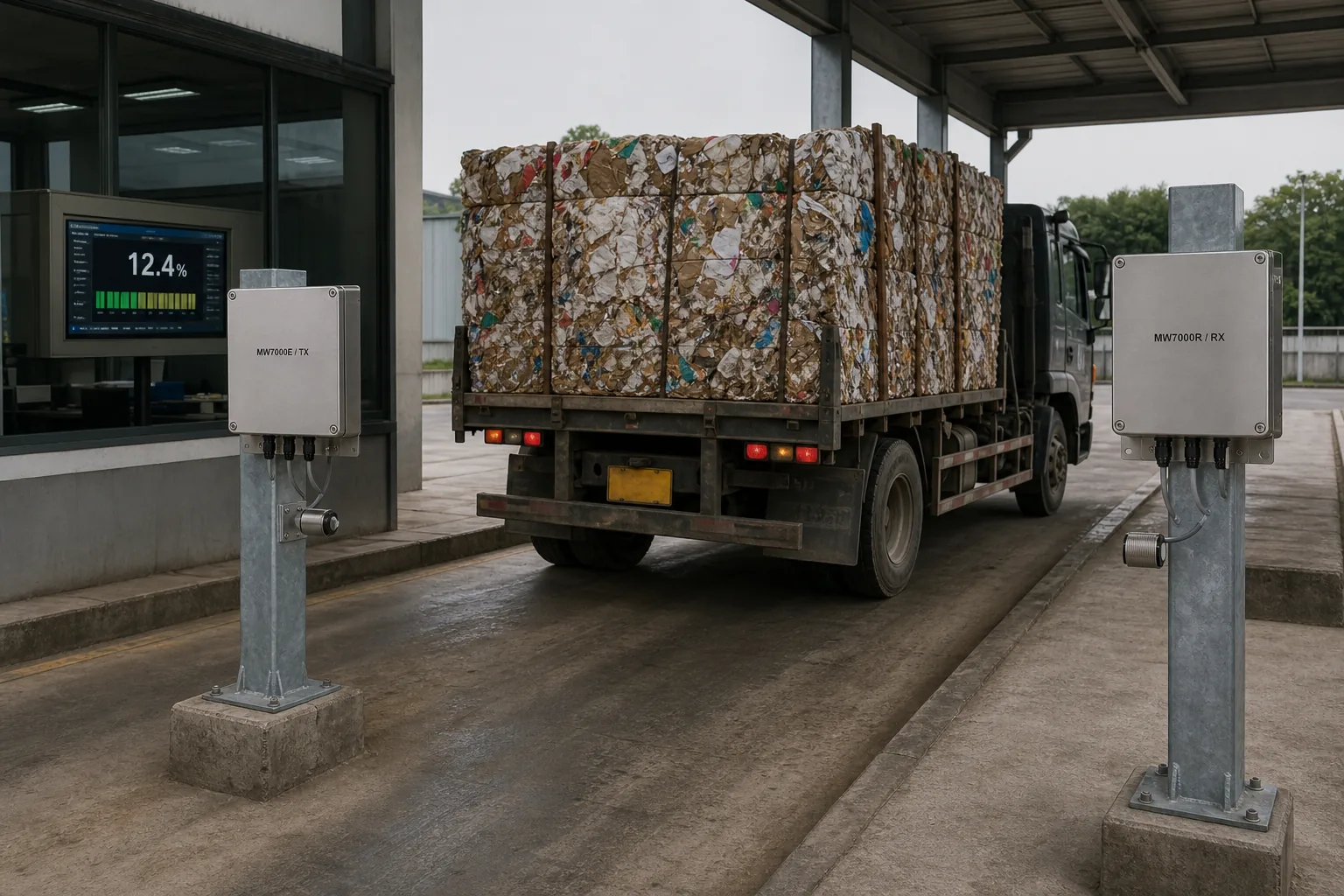
Performance depends on the material, reference method, operating range and installed configuration described in the project.
Define the inspection volume
For bales, consider dimensions, compression, gaps and distance. For trucks, define vehicle position, scan sections, speed and the material distribution inside the load.
Reference sampling must reflect the scan
Plan increments across locations and depth, then combine or analyse them according to the commercial question. One convenient surface grab is not a reference for a full load.
Separate measurement from business rules
The system can provide values and quality states, while supplier grading, rejection or settlement thresholds require approved procedures, permissions and exception handling.
Create a load-level inspection record
Capture load ID, material grade, dimensions, compression or fill, scan direction, positions completed, speed, gaps, abnormal geometry, valid-reading count, aggregate rule, samples and final disposition. This separates what was observed from the commercial rule applied afterward.
Keep inspection and settlement responsibilities separate
The measurement system supplies validated observations and status. Acceptance, rejection, ownership transfer or payment needs an agreed rule, exception workflow, authorised decision owner and dispute reference method. A single scan or point must not be presented as whole-load proof without approved coverage.
Before you act
Engineering checklist
- Define scan positions and coverage
- Record load geometry and abnormal states
- Plan multi-location reference samples
- Agree handling of gaps and partial loads
- Document data ownership and settlement rules