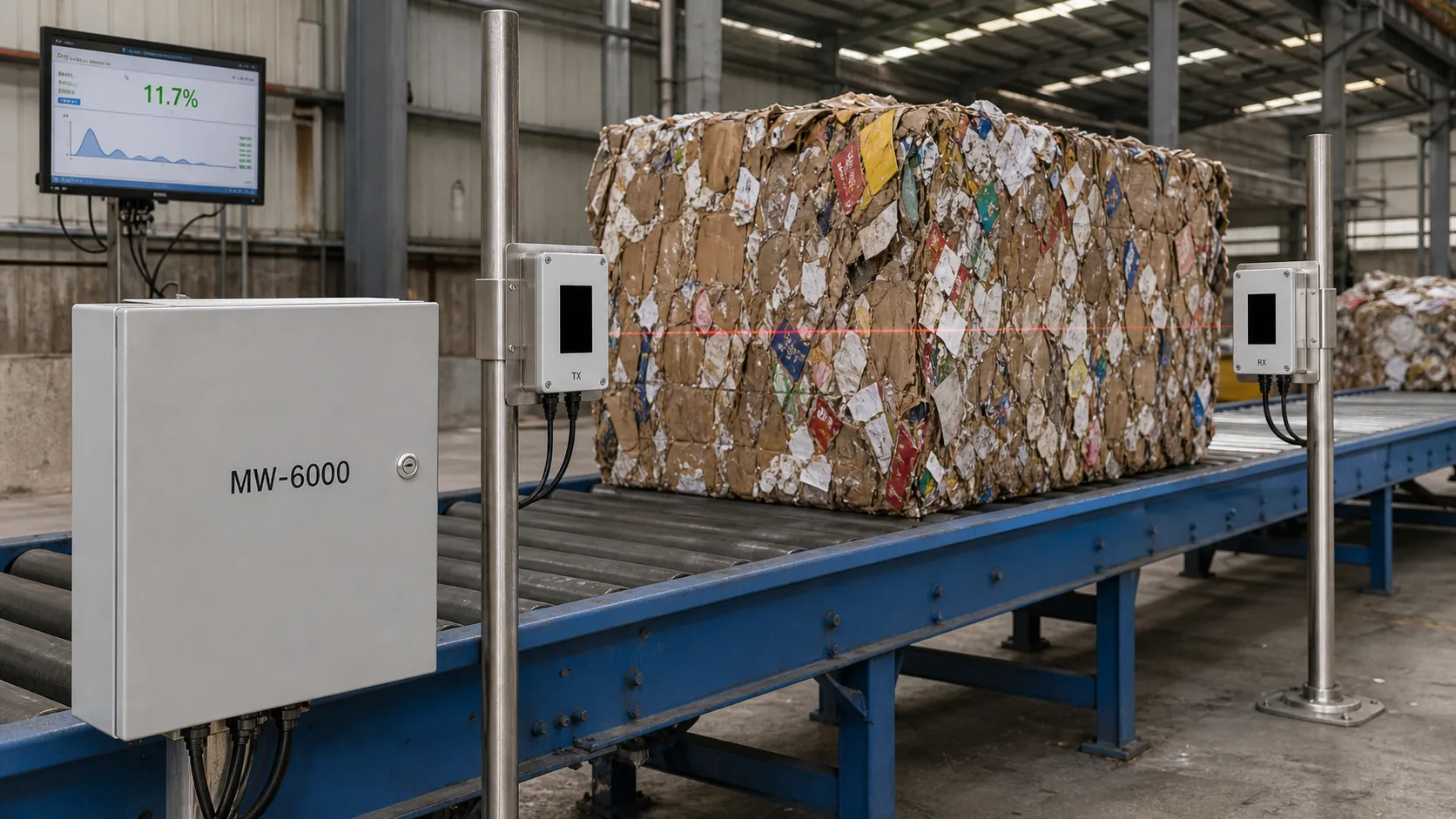
Performance depends on the material, reference method, operating range and installed configuration described in the project.
Define acceptable bale geometry
Set size, orientation, spacing, compression, wrapping and position limits. Detect gaps and partial coverage rather than reporting them as ordinary bales.
Build sufficient scan coverage
Select one or more measurement positions based on the commercial risk and expected wet-zone distribution. Track identity through the inspection zone.
Match the reference to the scan
Use cores or increments from planned positions and depths. Preserve and label samples so the laboratory result can be linked to the correct bale and scan.
Separate measurement from receiving rules
Approve thresholds, recheck, rejection, quarantine and supplier communication with documented authority and exception handling.
Use a bale-specific disposition record
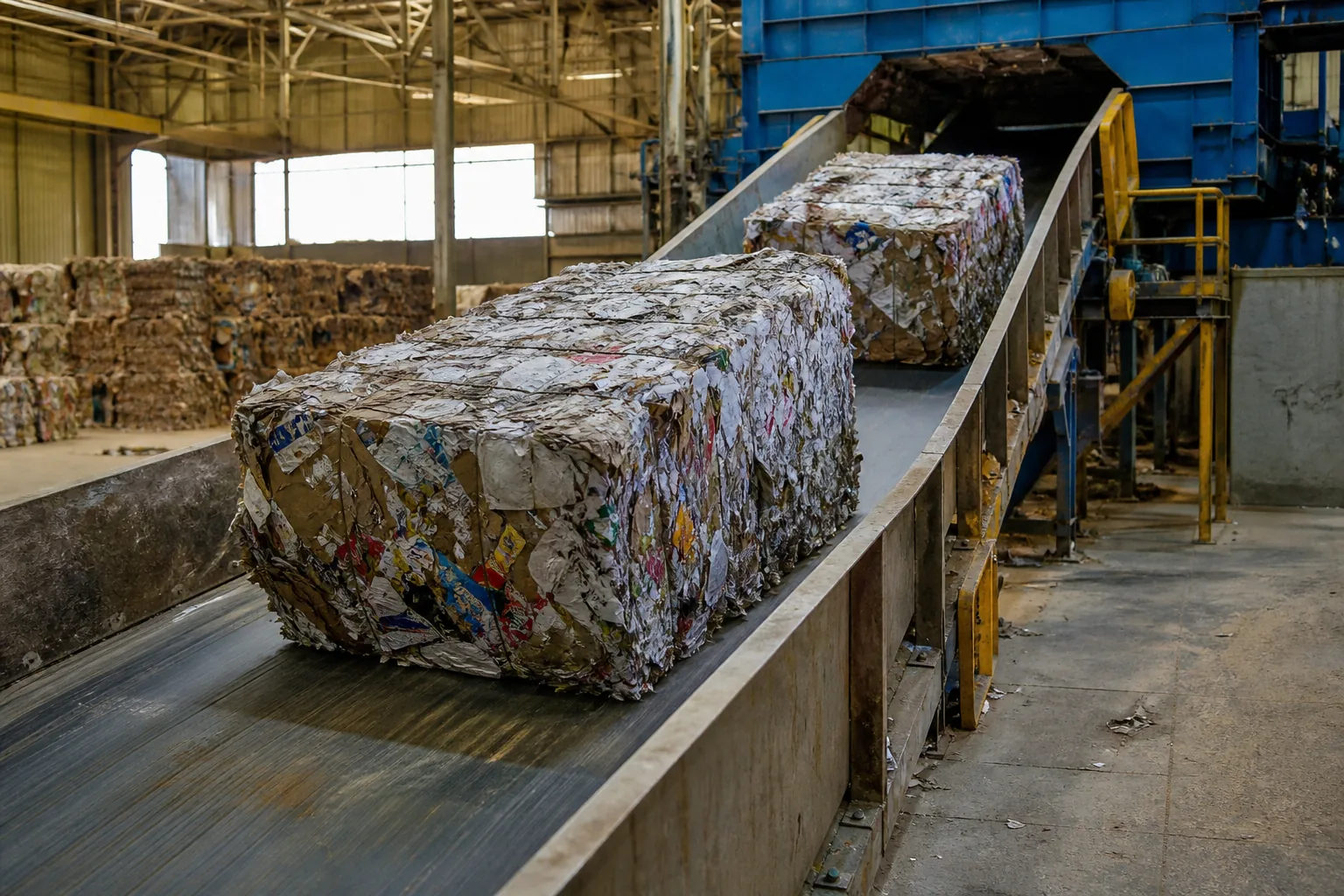
Capture bale ID, dimensions, compression, orientation, scan positions, voids, valid-reading count, sample locations, aggregate rule and disposition. This workflow addresses an individual compressed bale; truckload coverage and general scanning physics are separate tasks and should not be collapsed into the same acceptance rule.
Before you act
Engineering checklist
- Define bale size and orientation
- Detect gaps and partial loads
- Choose scan positions
- Plan multi-depth samples
- Track bale identity
- Approve exception workflow