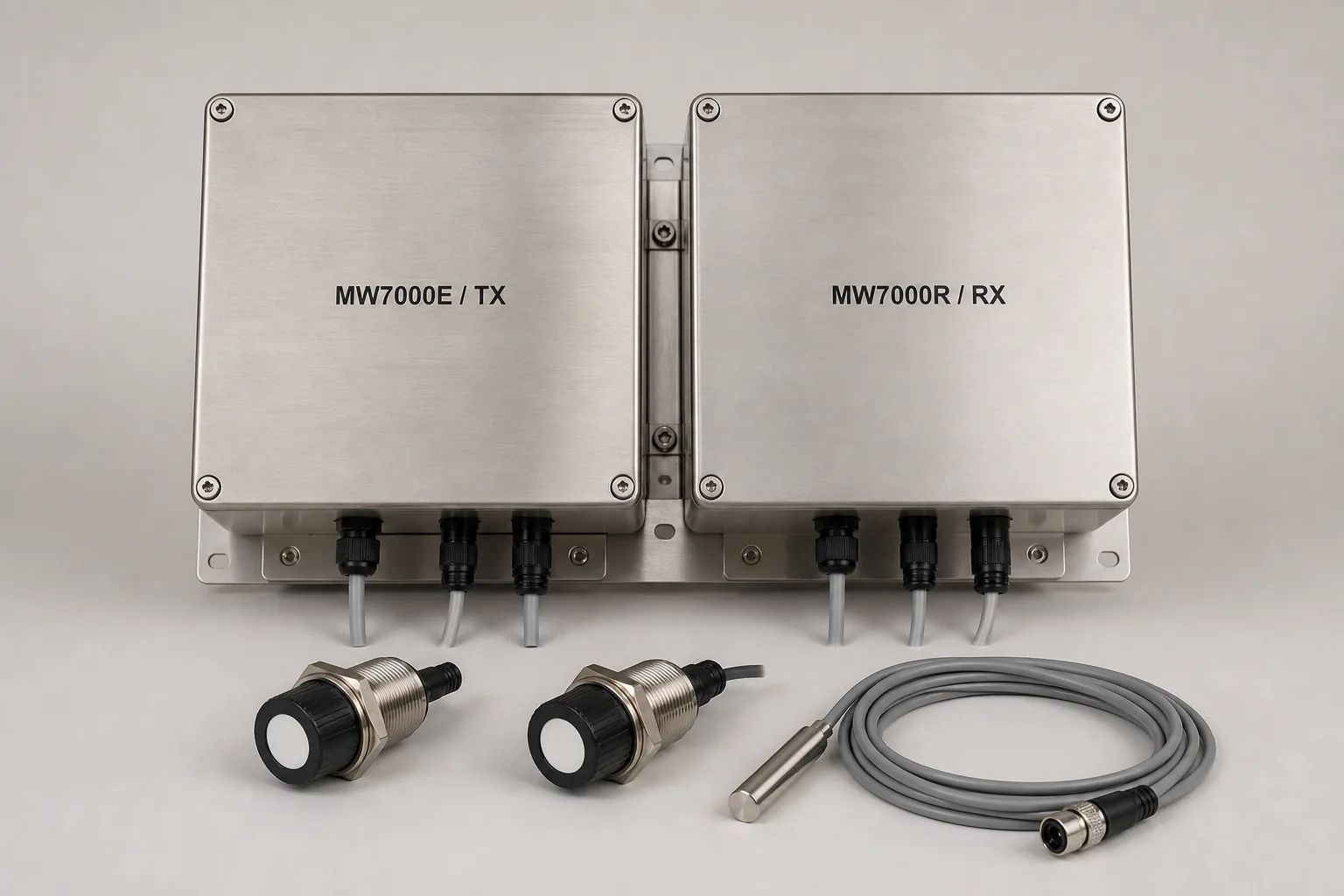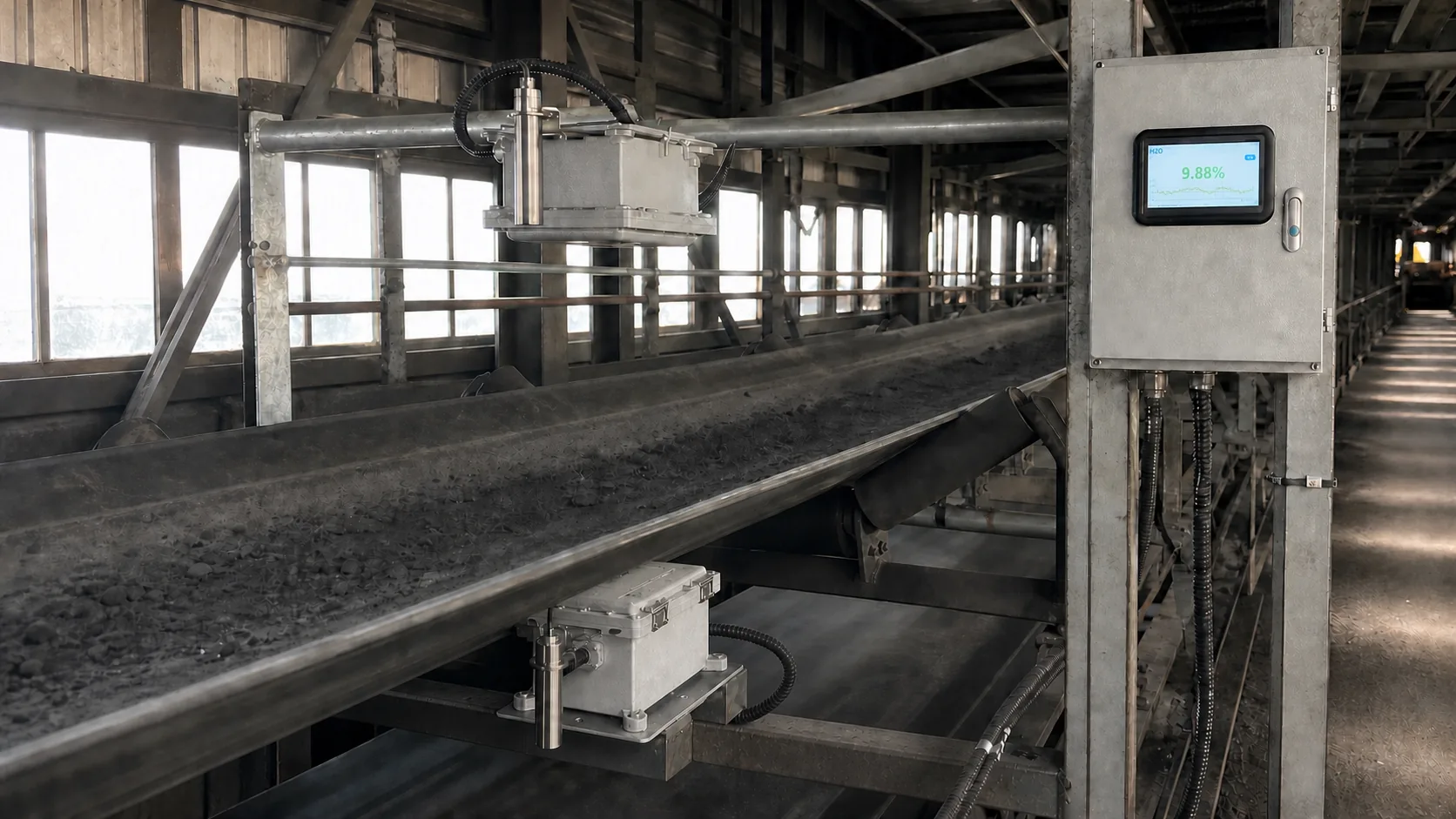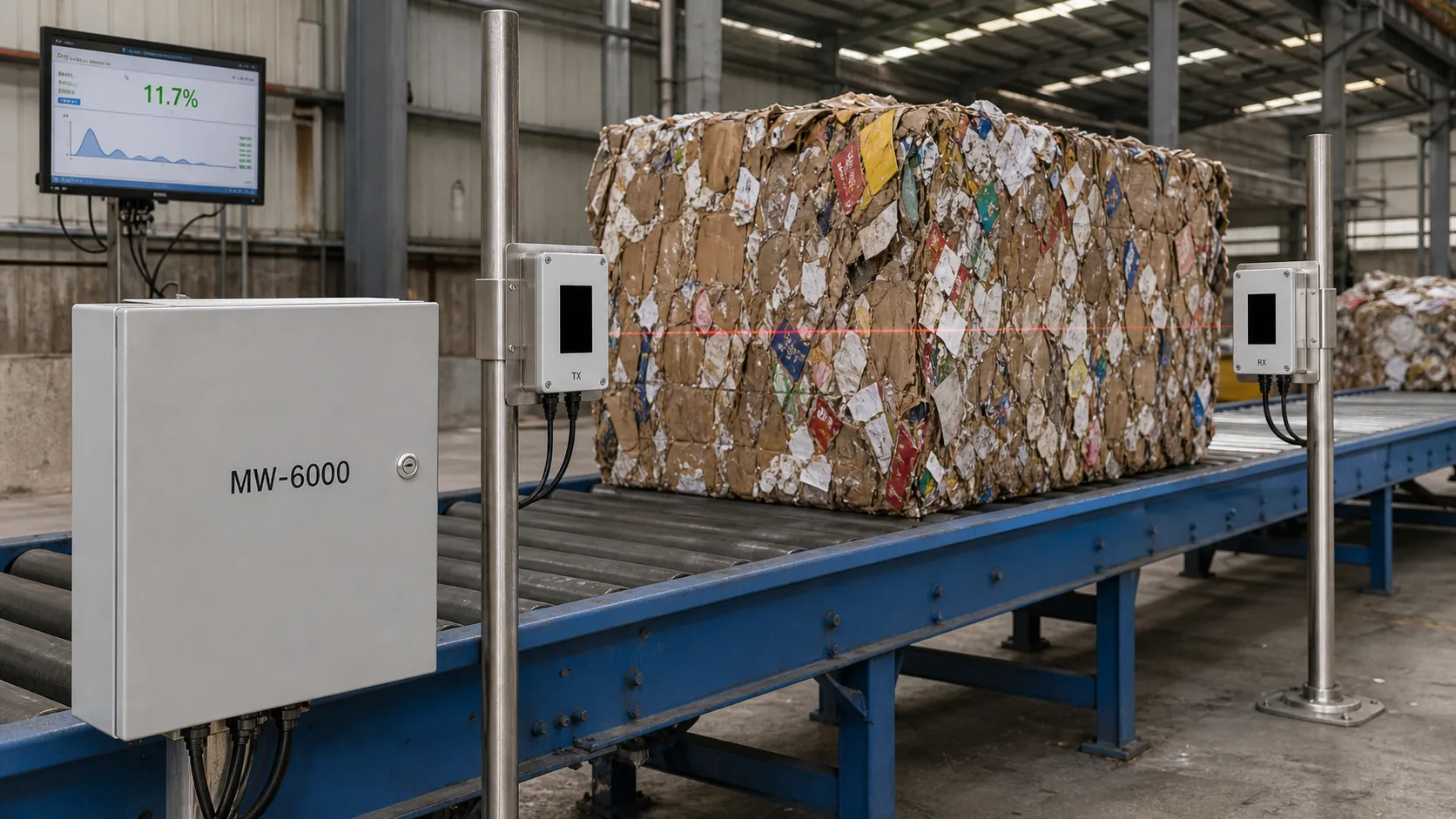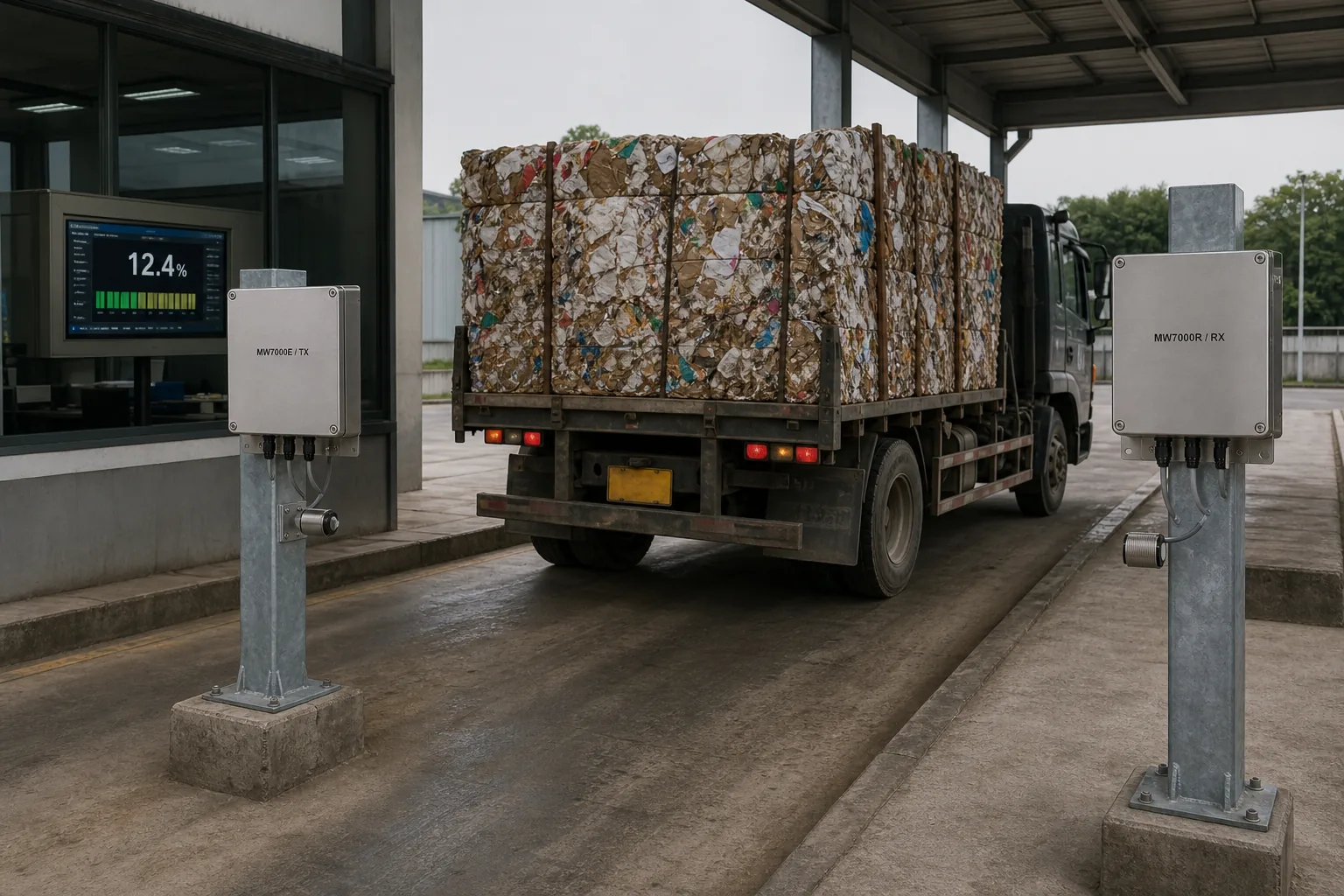
Performance depends on the material, reference method, operating range and installed configuration described in the project.
Standardise the inspection pass
Define lane, direction, speed or stop positions, vehicle clearance, load height and identity capture. Prevent a valid number when the truck is out of position.
Use sections to expose distribution
Select the number and spacing of measurement sections according to load length and expected segregation. Preserve section results before calculating a load summary.
Design a load-level reference
Collect increments across positions and depths under a safe plan. Decide whether the laboratory combines them or reports zones separately based on the receiving question.
Protect commercial decisions
Record raw sections, summary rule, validity, temperature, exceptions and approvals. Separate instrument output from supplier grading or settlement policy.
Make section coverage auditable
Define entry/exit trigger, vehicle identity, load shape, lane position, scan direction, number of valid sections, gaps, speed range, section aggregation and exception routing. A load result is reportable only when the documented coverage rule is met; the commercial owner decides how incomplete scans are handled.
Before you act
Engineering checklist
- Define vehicle position
- Set minimum load profile
- Select section count and spacing
- Collect multi-position increments
- Store section and summary data
- Approve exception authority