← Back to all industries

Industries and materials

Paper and circular resources

Recovered-paper moisture is rarely uniform. Receiving control therefore needs planned coverage across the bale or load, a defined reference method and transparent rules for acceptance or settlement.

Contact an engineer
Paper and circular resources

Process scenes and measurement points

Follow the material from moisture risk to control action

Each route starts with a real material flow. Define the risk, choose a representative measurement point and decide what the validated result will change.

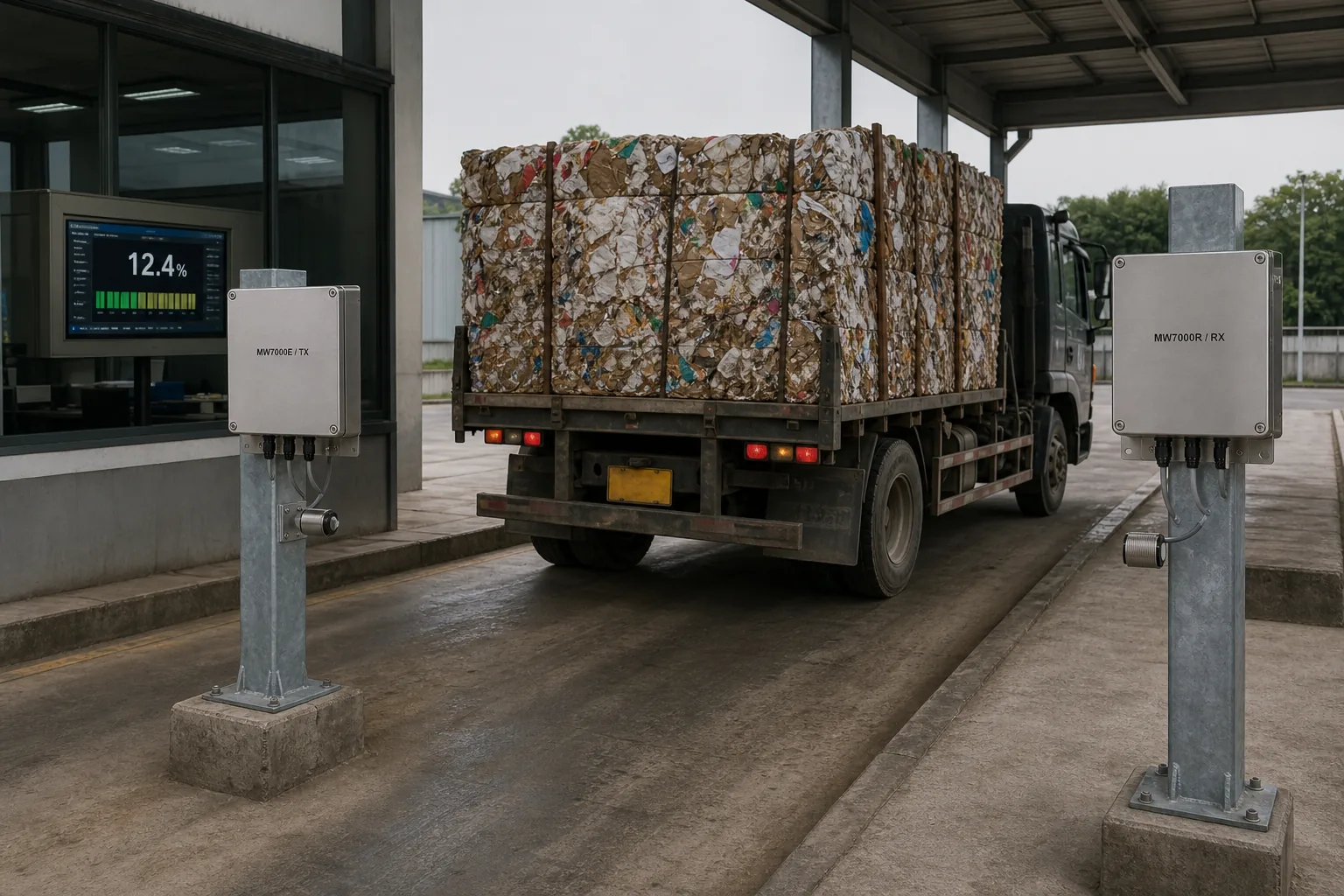
Recovered-paper bale receiving
01Bale receiving decisions

Recovered-paper bale receiving

Material
Recovered-paper and mixed-fibre bales
Moisture risk
Rain-wet surfaces and hidden wet pockets can distort acceptance and payable dry mass.
Measurement point
A documented multi-face or scan-path plan tied to bale identity, with dispute sampling.
Control action
Accept, hold or escalate a bale under written uncertainty and exception rules.
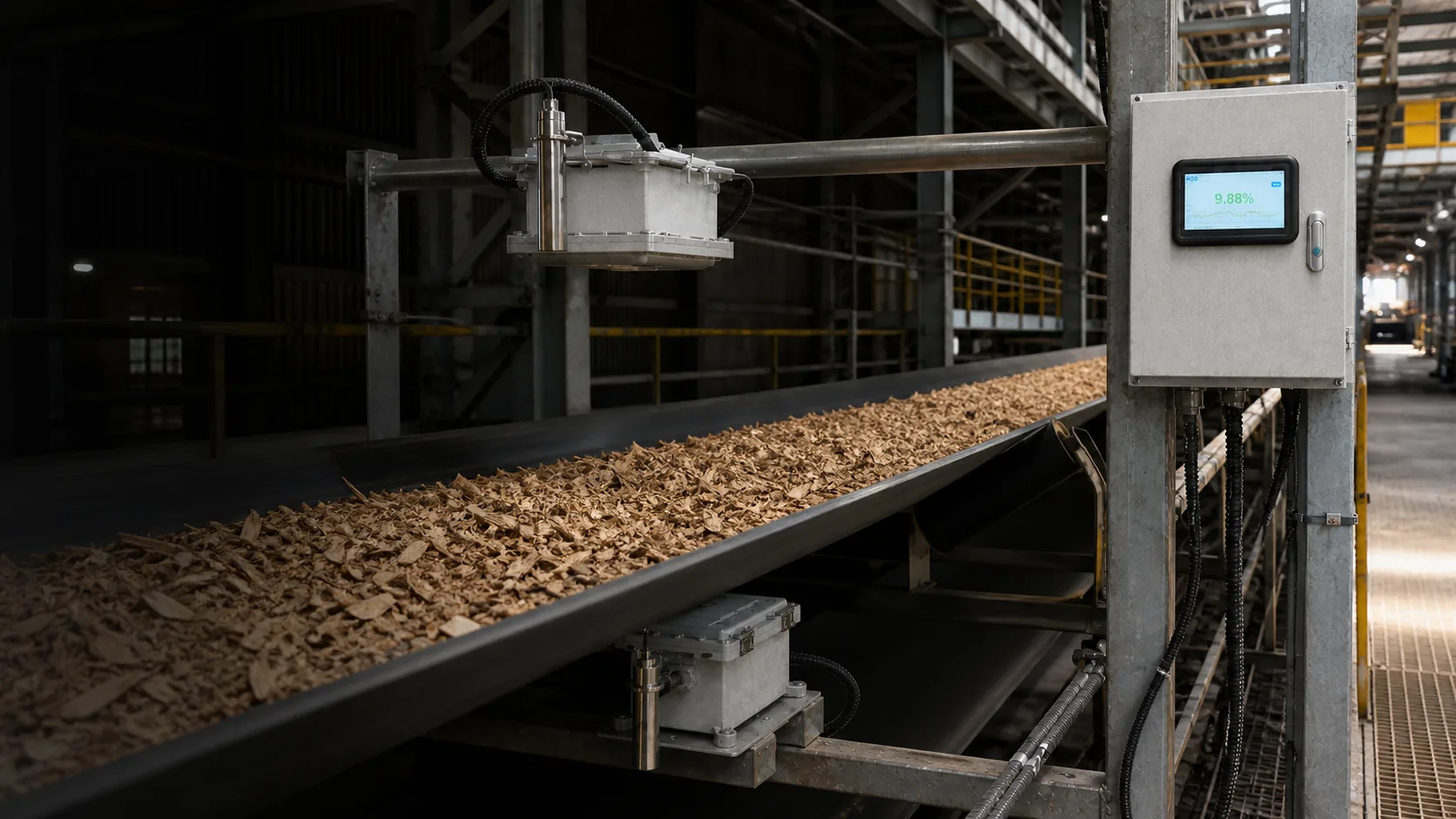
Fibre preparation and stock flow
02Fibre preparation control

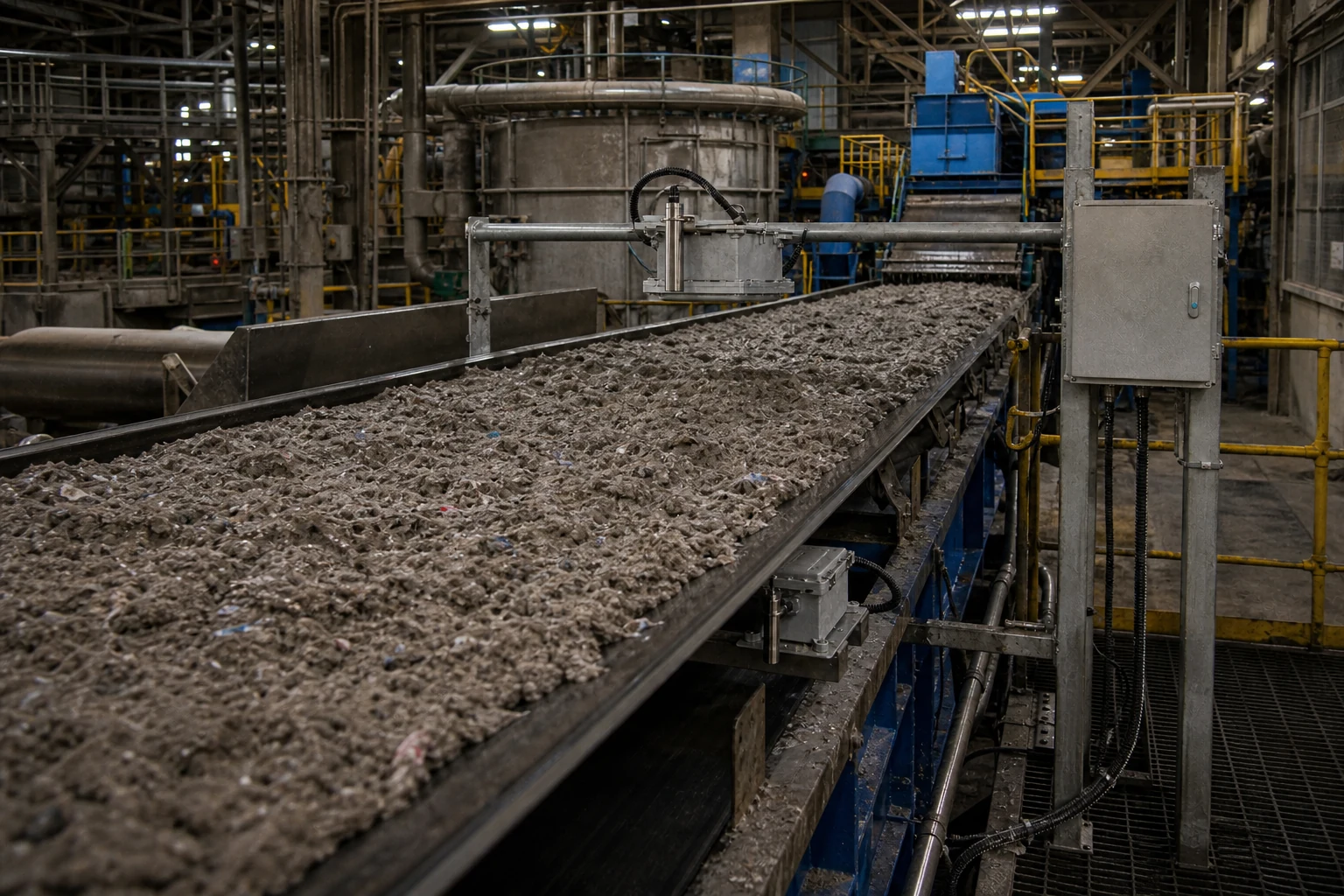
Fibre preparation and stock flow

Material
Loose recovered fibre, pulp and mixed furnish
Moisture risk
Dilution, drainage and grade changes alter dryer load and sheet consistency.
Measurement point
A well-mixed moving stream after preparation and before the next controllable addition or dryer stage.
Control action
Adjust blending, dewatering or dryer review while keeping grade identity with the result.
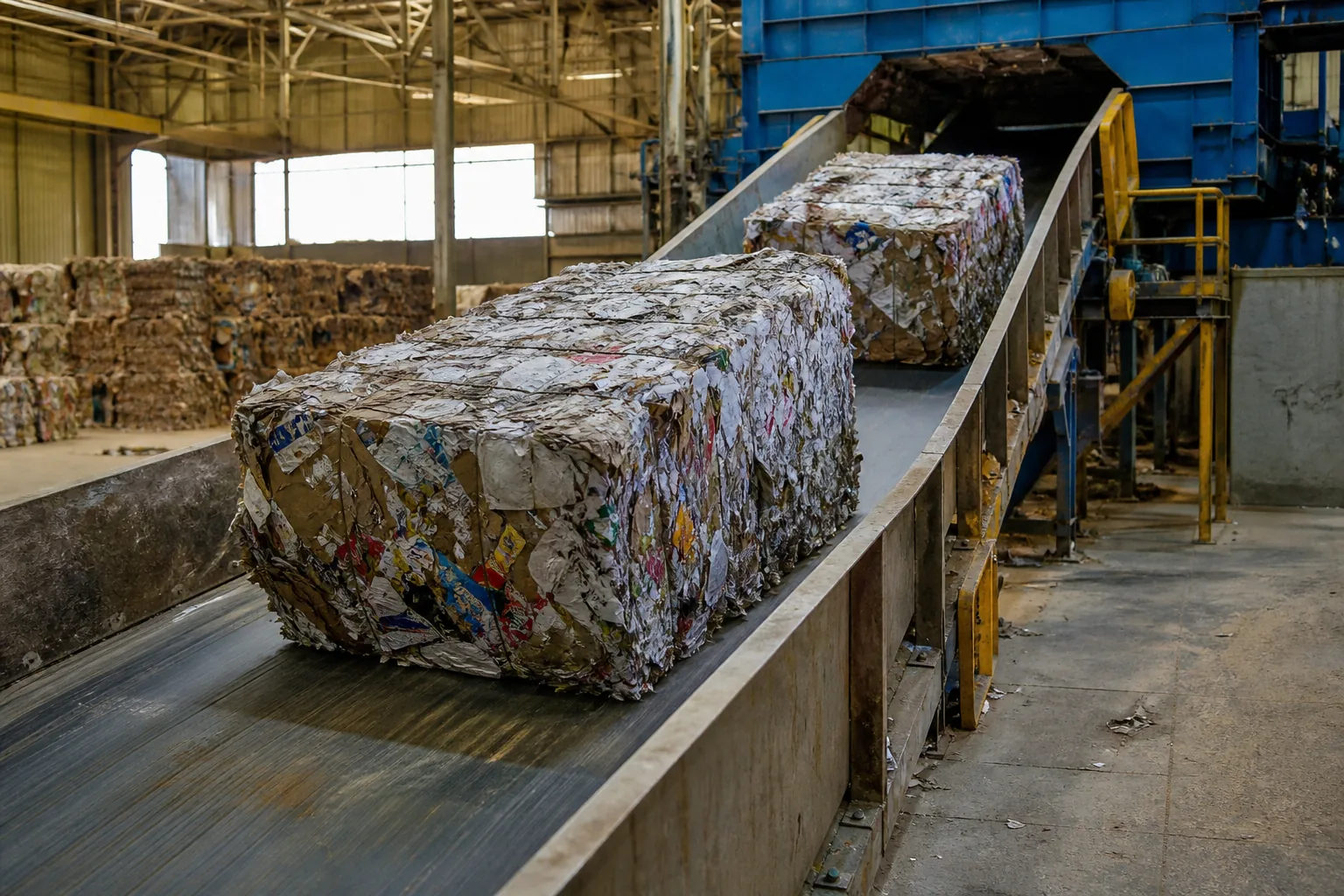
Paper or board line after drying
03Paper and board uniformity

Paper or board line after drying

Material
Paper, board and continuous sheet
Moisture risk
Residual or cross-width moisture variation can cause curl, breaks and uneven converting behaviour.
Measurement point
A stable sheet path after the dryer and before reel, stack or quality classification.
Control action
Trend the profile, isolate abnormal production and support grade-specific release decisions.

Practical moisture testing

How to test moisture in paper, recovered fibre and incoming bales

Recovered-paper moisture is rarely uniform. Receiving control therefore needs planned coverage across the bale or load, a defined reference method and transparent rules for acceptance or settlement.

01

How do you check moisture in recovered-paper bales at receiving?

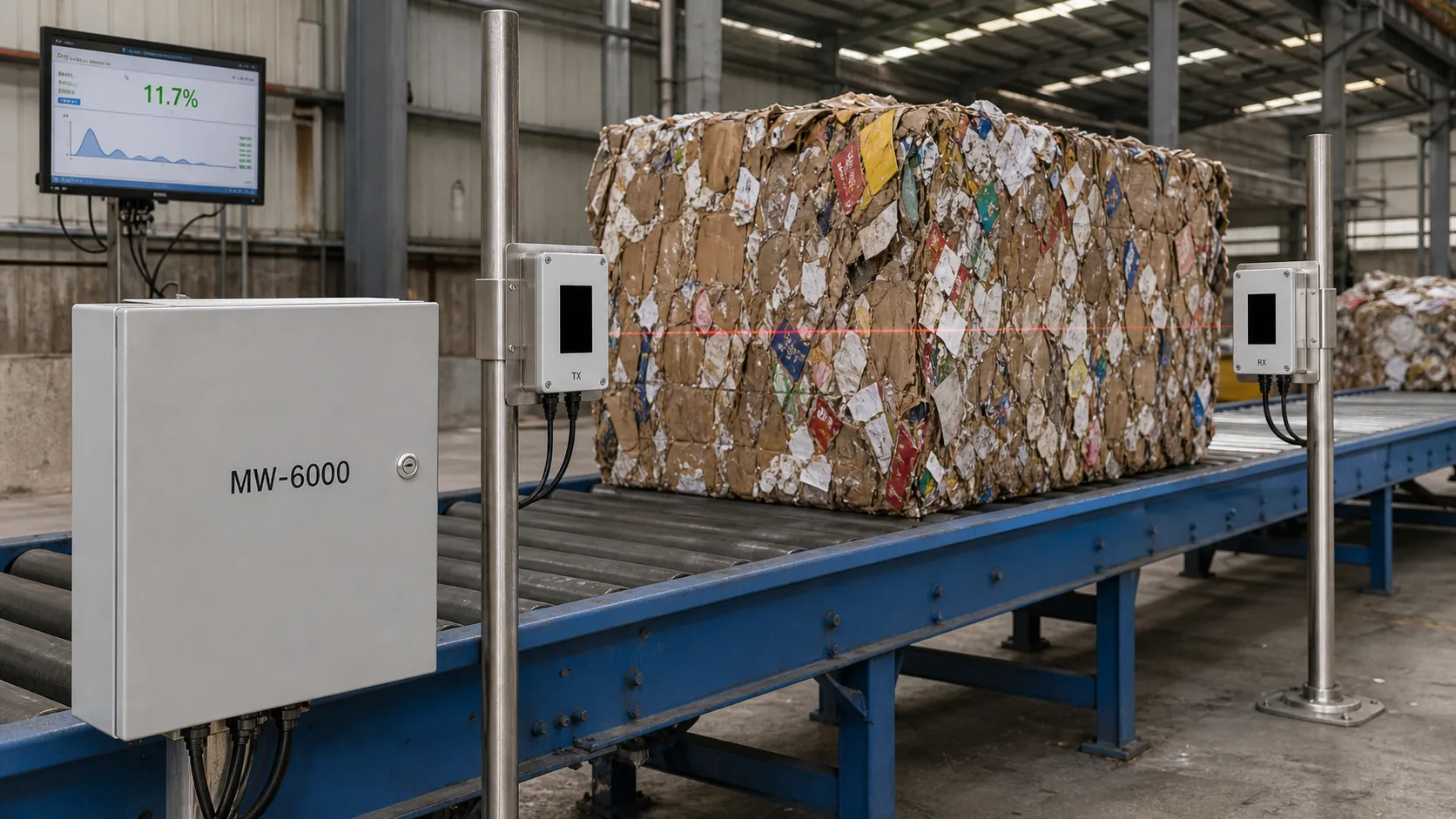
Scan more than one accessible face or section and keep the bale identity with every result. A single surface reading cannot represent a bale when rain exposure, compression and mixed grades create internal variation.

How to do it
  1. Define bale positions and minimum coverage before trucks arrive.
  2. Record scan values, validity states, bale grade, supplier and visible wet areas.
  3. Escalate abnormal or disputed bales to a controlled reference-sampling procedure.
Variables to control

Wet outer layers, metal straps, bale density, mixed fibre grades, scan depth and inaccessible regions.

Use the result to

screen incoming bales consistently and identify loads that require hold or verification.

Read the full methodRecycled paper moisture at receiving: from bale variability to supplier decisions
02

How many places should you scan on a bale or truckload?

The number is determined by load variability and the decision risk, not by one universal count. Design coverage so different sides, heights or load sections are represented and record what remains unmeasured.

How to do it
  1. Segment the bale or load into meaningful sections.
  2. Test repeated positions during a pilot and quantify within-load variation.
  3. Set the routine plan from the observed variation and tighten it for disputed or high-risk loads.
Variables to control

Load geometry, access, hidden wet pockets, compression, operator reach and inspection time.

Use the result to

create a defensible routine scan plan and a stricter exception plan.

Read the full methodBale and truck moisture scanning: why coverage and multiple positions matter
03

How do you compare a bale moisture scan with a laboratory result?

The two methods observe different material volumes. Compare a documented multi-position scan result with a composite sample that represents the same bale region, and report the uncertainty introduced by sampling.

How to do it
  1. Define how scan positions are combined into one bale result.
  2. Take a composite reference sample from corresponding accessible regions.
  3. Review agreement by grade, density and moisture range instead of pooling every bale together.
Variables to control

Surface-to-core gradients, sample loss, fibre grade, oven method, reporting basis and time between tests.

Use the result to

understand expected agreement and resolve whether a difference comes from coverage, reference sampling or calibration.

Read the full methodHow to compare an online moisture system with laboratory results
04

How do you detect surface wetness without misjudging bulk bale moisture?

Treat surface condition and bulk condition as separate questions. Use coverage from several positions and visual records so rain-wet faces do not automatically define the entire bale—or hide local damage.

How to do it
  1. Mark exposed, sheltered and visibly abnormal areas.
  2. Compare surface-sensitive and deeper-path readings where the inspection system permits.
  3. Create a separate wet-surface flag and route uncertain bales to reference testing.
Variables to control

Recent rain, drainage, wrapping, compression, temperature and time since unloading.

Use the result to

separate local water exposure from a load-wide moisture decision.

Read the full methodSurface moisture and bulk moisture: define the value before selecting a sensor
05

How do you create a fair moisture acceptance or settlement rule for recovered paper?

Define the measurement method, coverage, reporting basis, decision bands and dispute procedure before using moisture commercially. Keep measurement uncertainty visible near contractual limits.

How to do it
  1. Agree material grades, sampling coverage and the reference method.
  2. Set accept, review and reject bands with a defined guard band near the limit.
  3. Retain bale identity, raw readings, validity states, photos and calibration version for audit.
Variables to control

Contract basis, rounding, measurement uncertainty, mixed loads, instrument status and operator exceptions.

Use the result to

apply supplier rules consistently and support evidence-based dispute resolution.

Read the full methodBale moisture inspection: design coverage, spacing and reference sampling

Project success factors

Build a reliable measurement result

Share your material, moisture range and process conditions to receive a focused measurement recommendation.

  • A clearly defined material and process objective
  • A suitable sensor route and installation geometry
  • A representative reference method and calibration plan
  • Environmental and compliance requirements
  • Validation under real operating conditions

Application pathway

Place the measurement where it can change the process

Recovered-paper moisture is rarely uniform. Receiving control therefore needs planned coverage across the bale or load, a defined reference method and transparent rules for acceptance or settlement.

01

Locate the variation

Map where moisture enters, separates, dries or is mixed before choosing an accessible measurement point.

02

Choose the representative point

Match surface, contact, transmission or scanning coverage to the material flow and the decision that follows.

03

Connect the reference

Align representative samples, method, calculation basis and laboratory time with the online measurement window.

04

Define the production action

Assign valid states, alarm limits, manual response, control authority and a review method for abnormal material.

Sources of moisture variation

Sources of moisture variation

Recovered-paper grade, weather, storage, bale density and local wet pockets create variation that a few surface probes may miss.

Reference and operating response

Reference and operating response

Define bale or load coverage at receiving, then connect scan sections with representative core or increment sampling. Use the result for grading, supplier comparison and exception handling only under written rules shared by quality and purchasing.

Begin with an observation period that records the online value, reference samples, product identity and operating state. Use the combined record to set material groups and valid limits. Then introduce alarms, operator guidance or bounded control in stages, with a manual fallback and a documented response for off-specification or unmeasured material.

Discuss your material, process point and control objective

Share a few process details and our application team will recommend a suitable technology, installation concept and validation plan.

Contact an engineer
WhatsApp