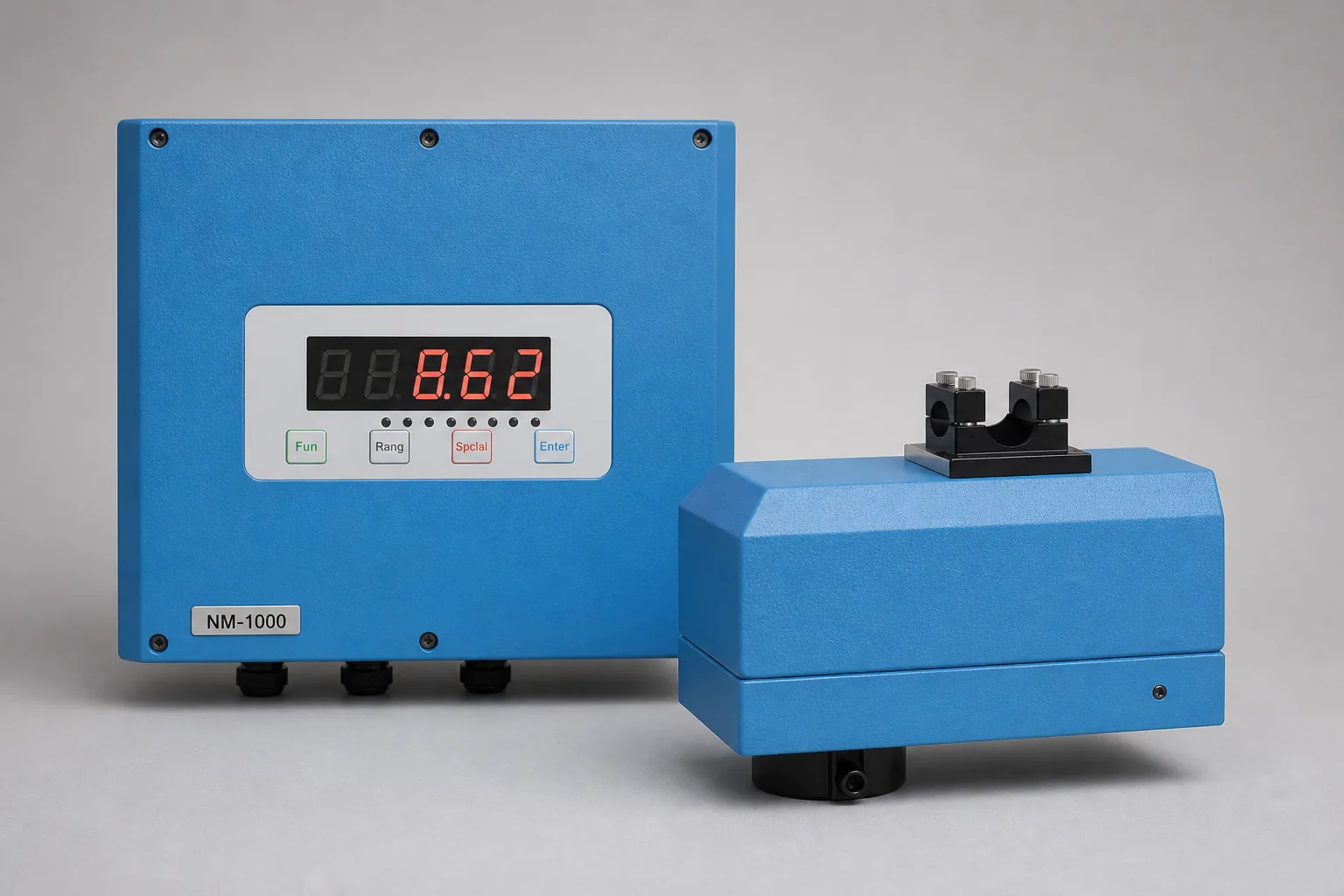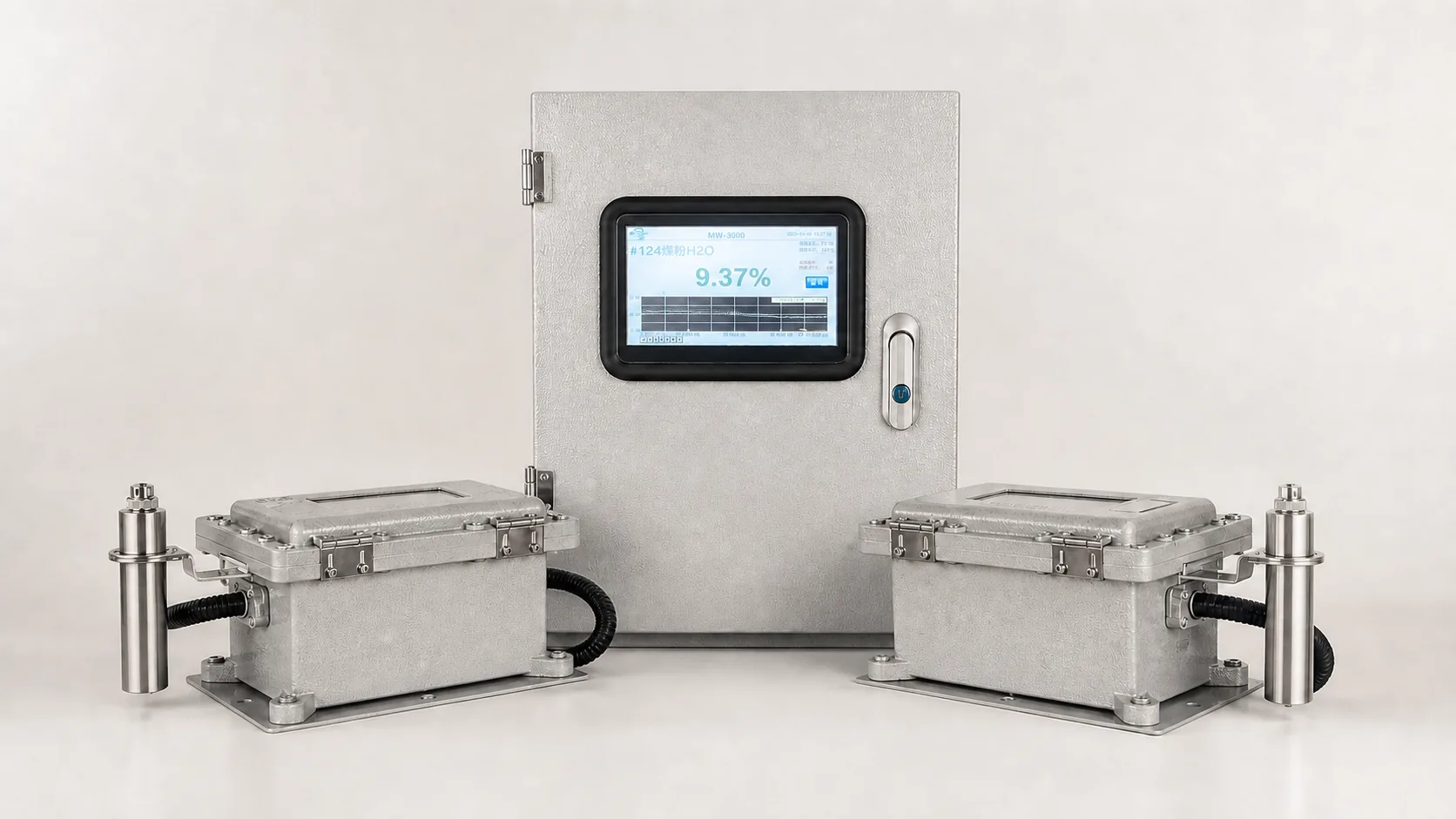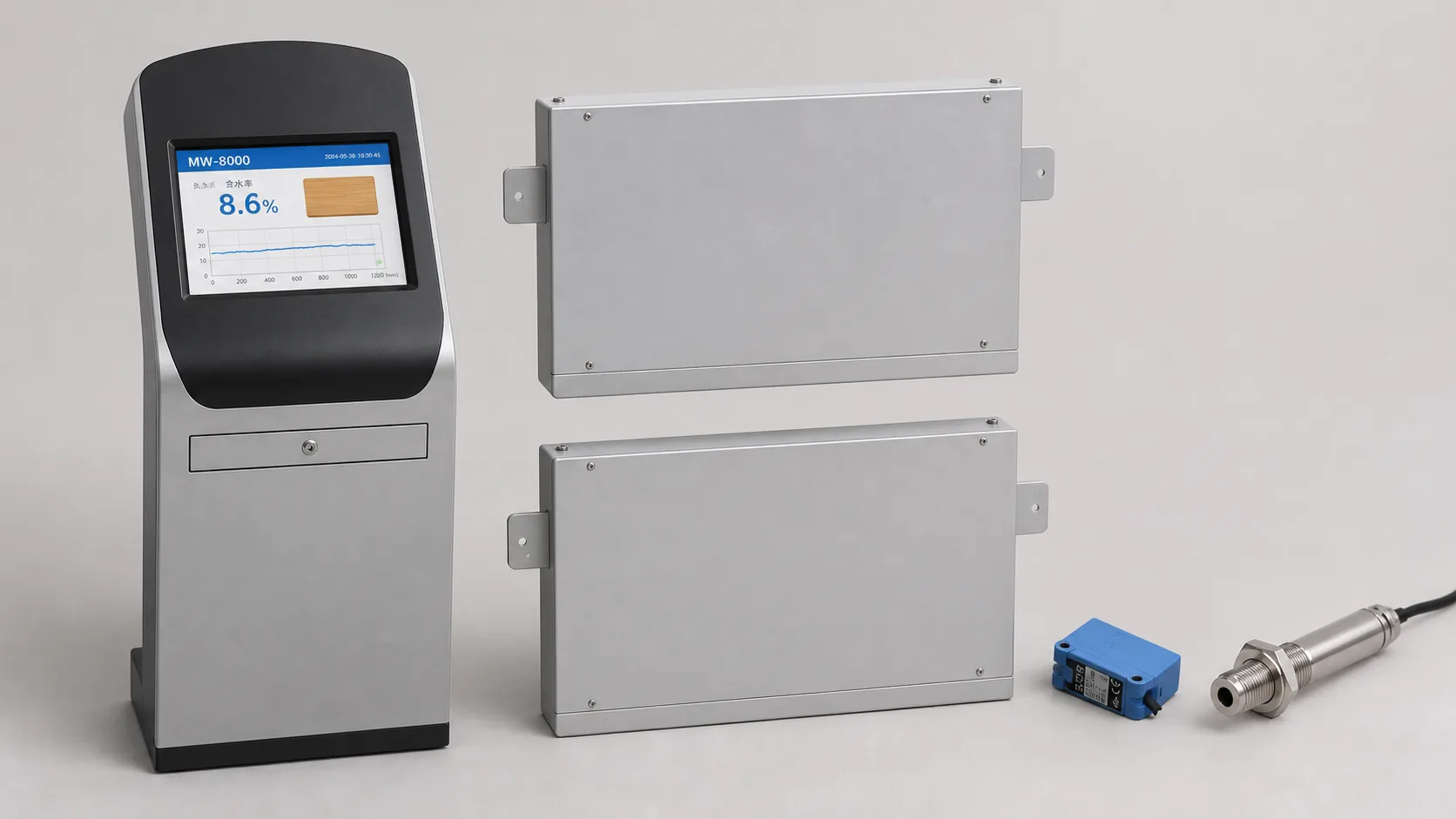
Performance depends on the material, reference method, operating range and installed configuration described in the project.
Use genuinely independent evidence
Validation data should come from material, times or batches not used to tune the model. The test should cover the intended range and difficult operating states.
Review more than one statistic
Bias, residual pattern, repeatability and errors by moisture band, material group and temperature reveal problems hidden by one overall number or correlation coefficient.
Agree acceptance before testing
Define limits, sample count, handling of invalid data and corrective actions in advance. If results fail, inspect reference, sampling, installation and variables before merely changing coefficients.
Worked statistic example
For four independent residuals of +0.2, −0.1, +0.3 and −0.2 percentage points, mean bias is (+0.2 − 0.1 + 0.3 − 0.2) ÷ 4 = +0.05, while MAE is (0.2 + 0.1 + 0.3 + 0.2) ÷ 4 = 0.20. Report both with sample count, range and groups; four values alone are not acceptance evidence.
Close the test with a decision
For every pre-agreed criterion, record pass, fail or not tested, plus the owner and corrective action. A failed group should remain visible; do not merge it into an overall statistic or move its data into calibration and continue calling the same test independent.
Before you act
Engineering checklist
- Lock the calibration before validation
- Use independent batches or periods
- Test range edges and key groups
- Review residual plots and bias
- Document acceptance and corrective action