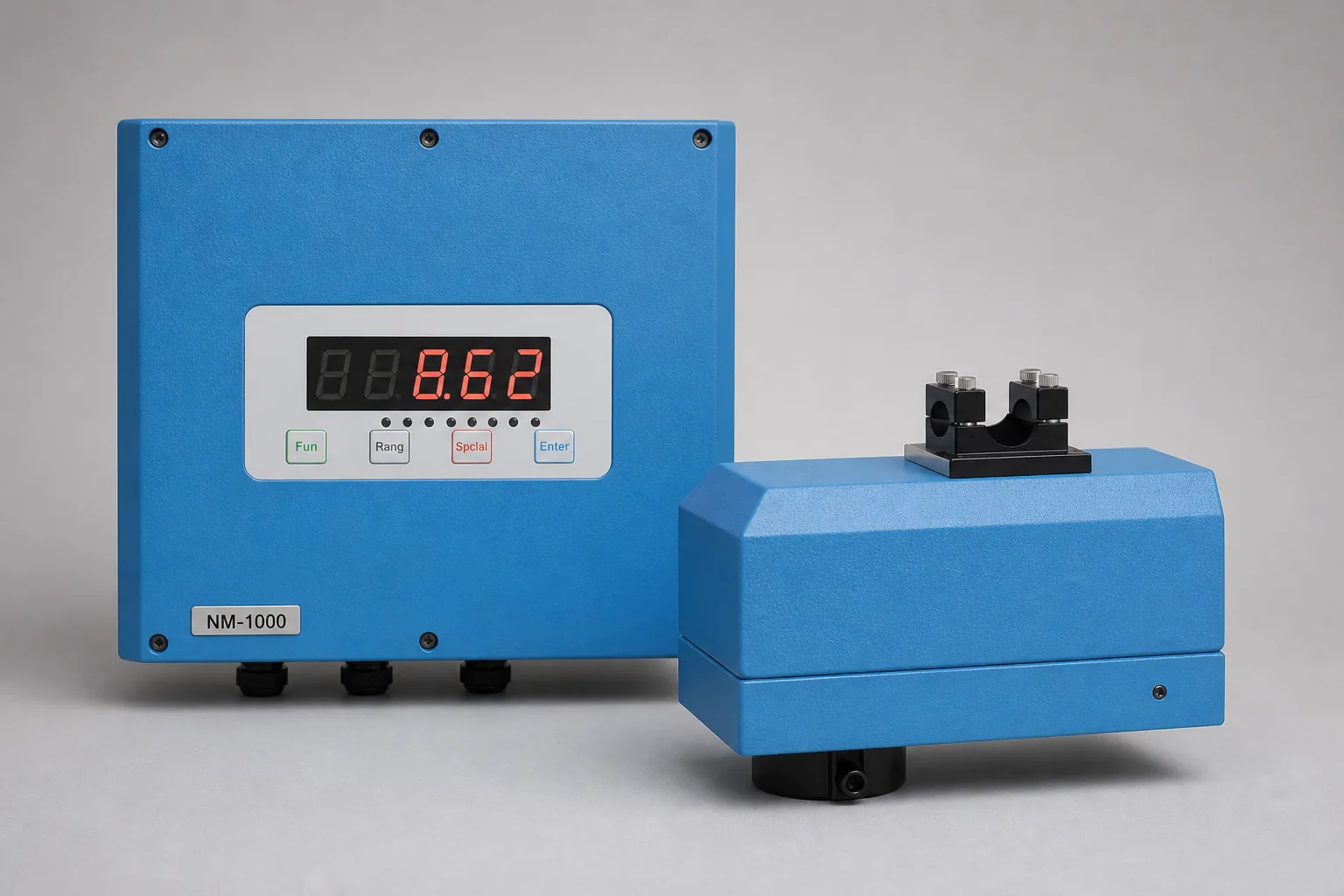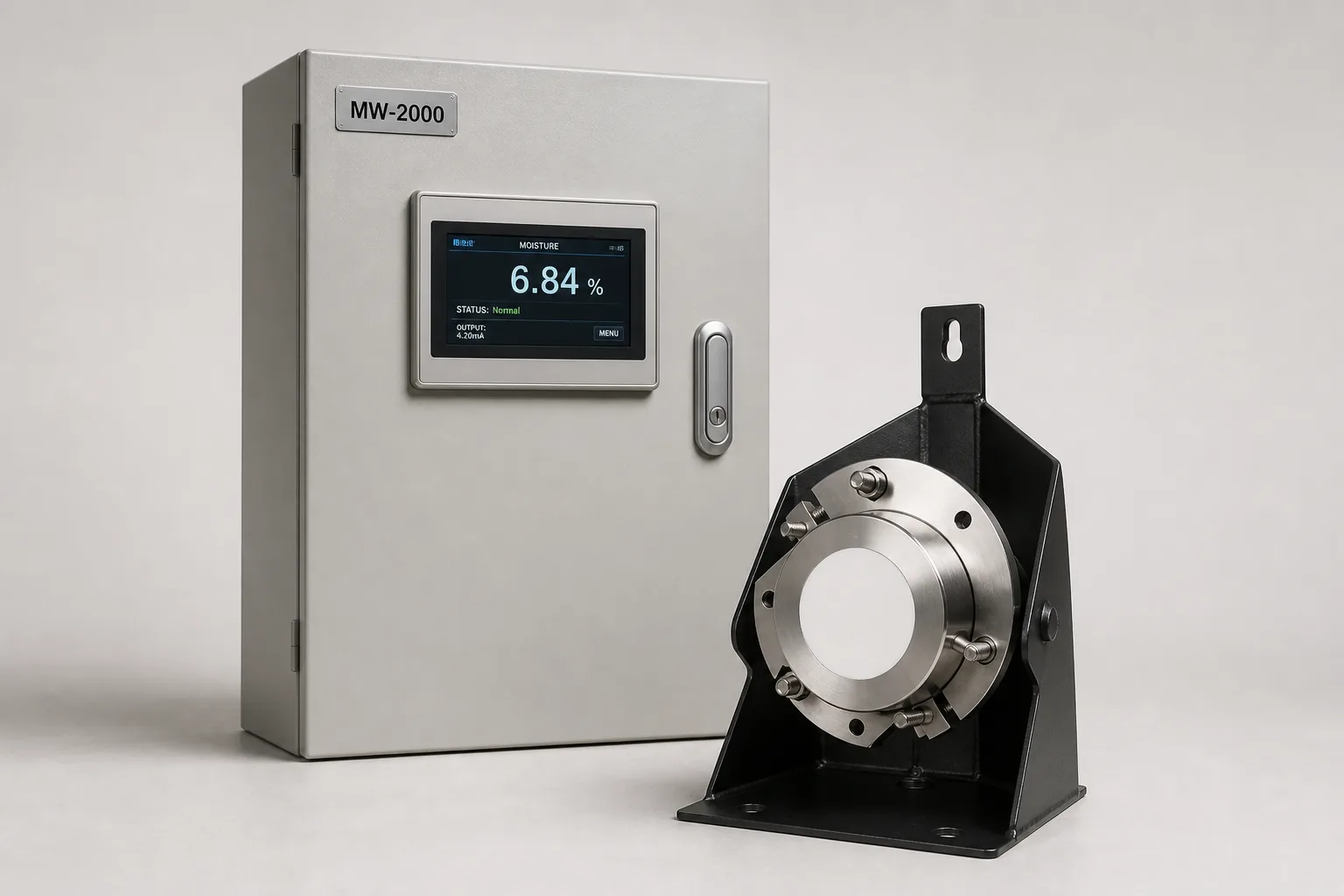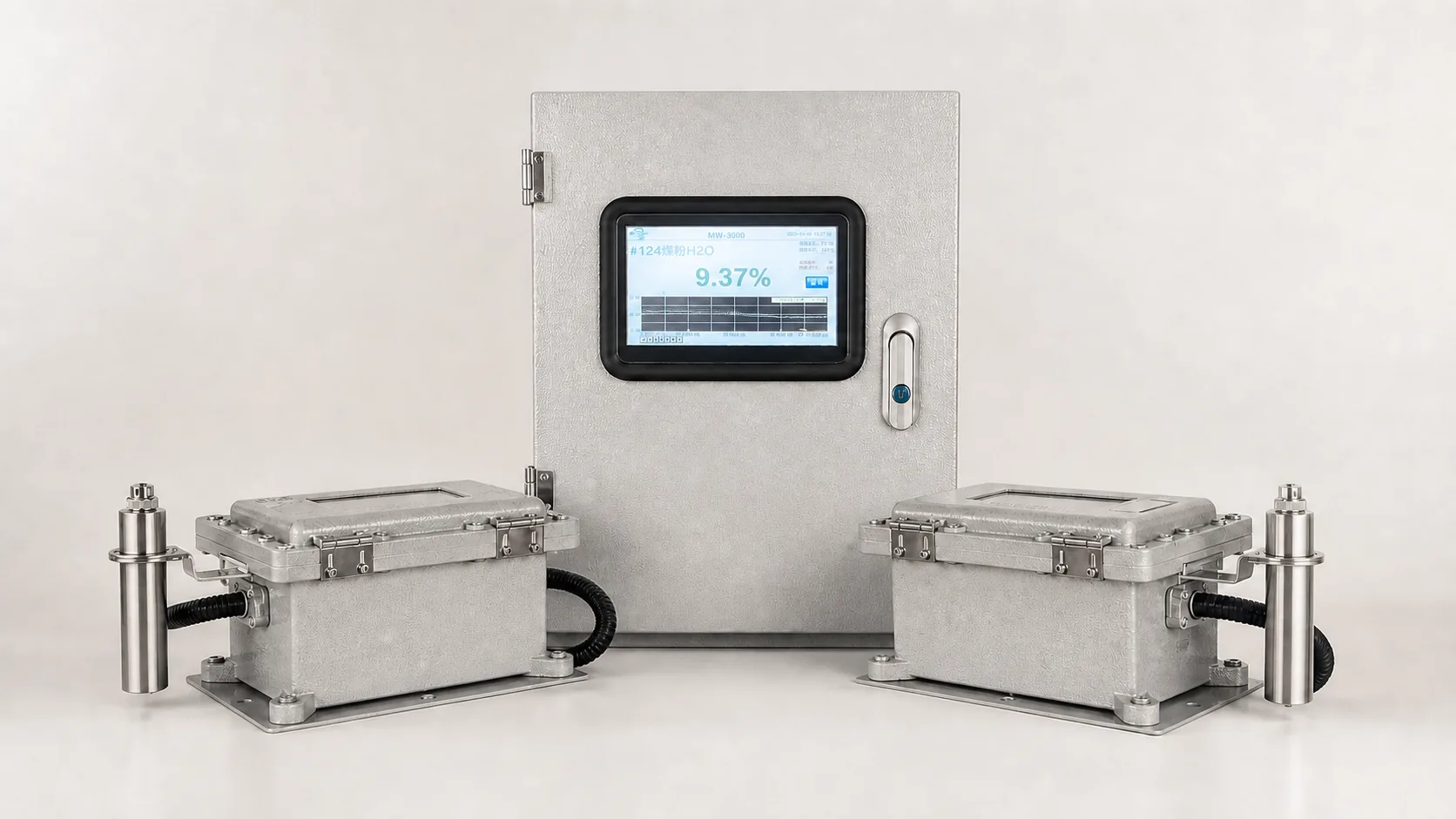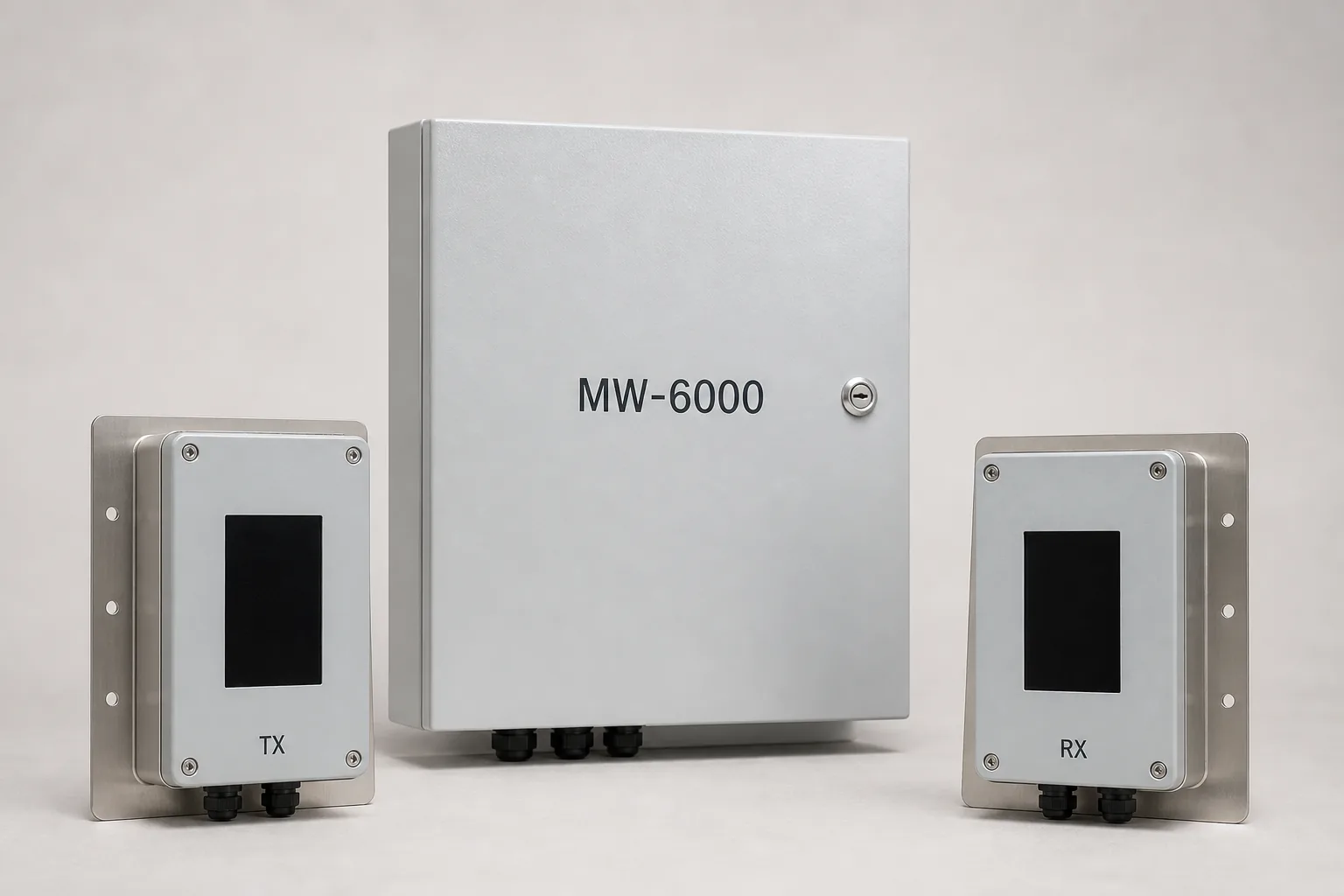
Performance depends on the material, reference method, operating range and installed configuration described in the project.
Monitor changes, not only errors
New suppliers, recipes, seasons, temperatures, density ranges, mounting positions, wear parts, software versions and reference methods can all change the relationship.
Choose the proportionate response
A routine check may confirm no change; a documented bias correction can address a stable offset; expanded conditions or changed behaviour may require new calibration data and independent validation.
Keep a controlled history
Record comparison results, maintenance, configuration, model version, approval and effective date. Trend review can identify slow drift before it becomes a production problem.
Use a graded trigger matrix
Classify changes as routine verification, focused revalidation or full recalibration. Examples include a like-for-like cleaning event, a new supplier inside the approved group, a new formulation outside it, sensor relocation, reference-method revision or model/software change. Assign evidence and approver for each class.
Control the transition between model versions
Record the last valid dataset, old and new coefficients, reason, test results, approval date, deployment time and rollback path. Keep historical readings linked to the model that produced them; never overwrite old values as if the new calibration had always applied.
Before you act
Engineering checklist
- Run periodic reference comparisons
- Review changes in material and process
- Inspect mounting, wear and build-up
- Control software and model versions
- Define triggers and approval responsibility